Identify and prevent the spread of harmful plant species
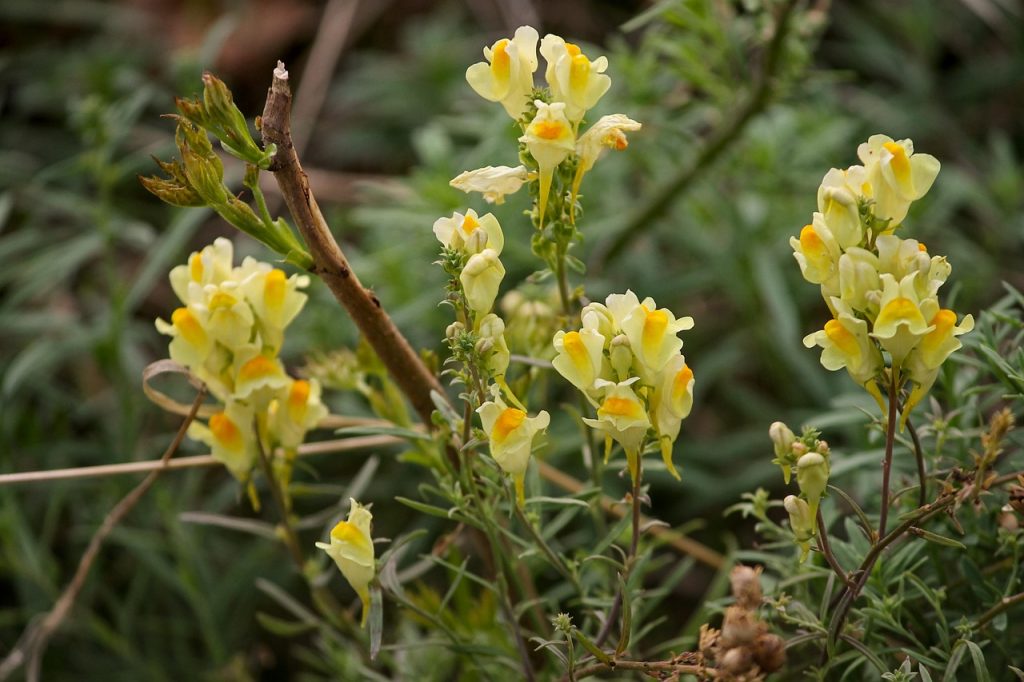
Understand Invasive Plant Impacts
This section explores the effects of invasive plants on ecosystems.
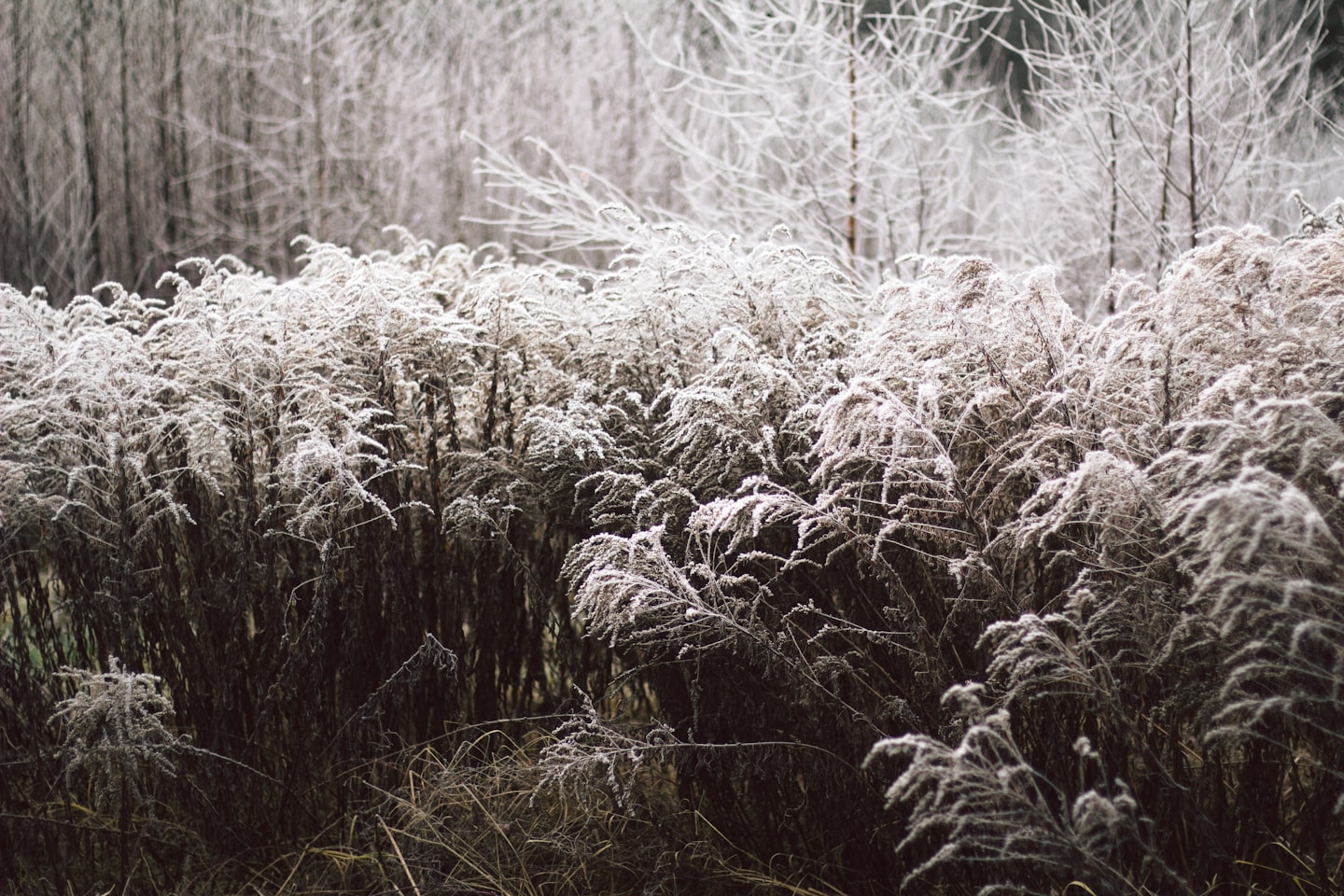
What Are Invasive Plants?
Invasive plant species are not native to a specific region, and their addition into an environment causes serious ecological consequences. Not all introduced species are invasive, but all invasive species have been introduced. Native weeds that grow naturally may be perceived as a nuisance to your garden, but they are not invasive.
Managing Their Spread
The best way to avoid an infestation of invasive plants is to never introduce them in the first place. Avoid collecting unknown plant seeds and adding them to your garden. Hand weeding can e an effective control measure if upkept for long periods of time, but depending on the species and severity of the infestation herbicides can be used as the last defence.
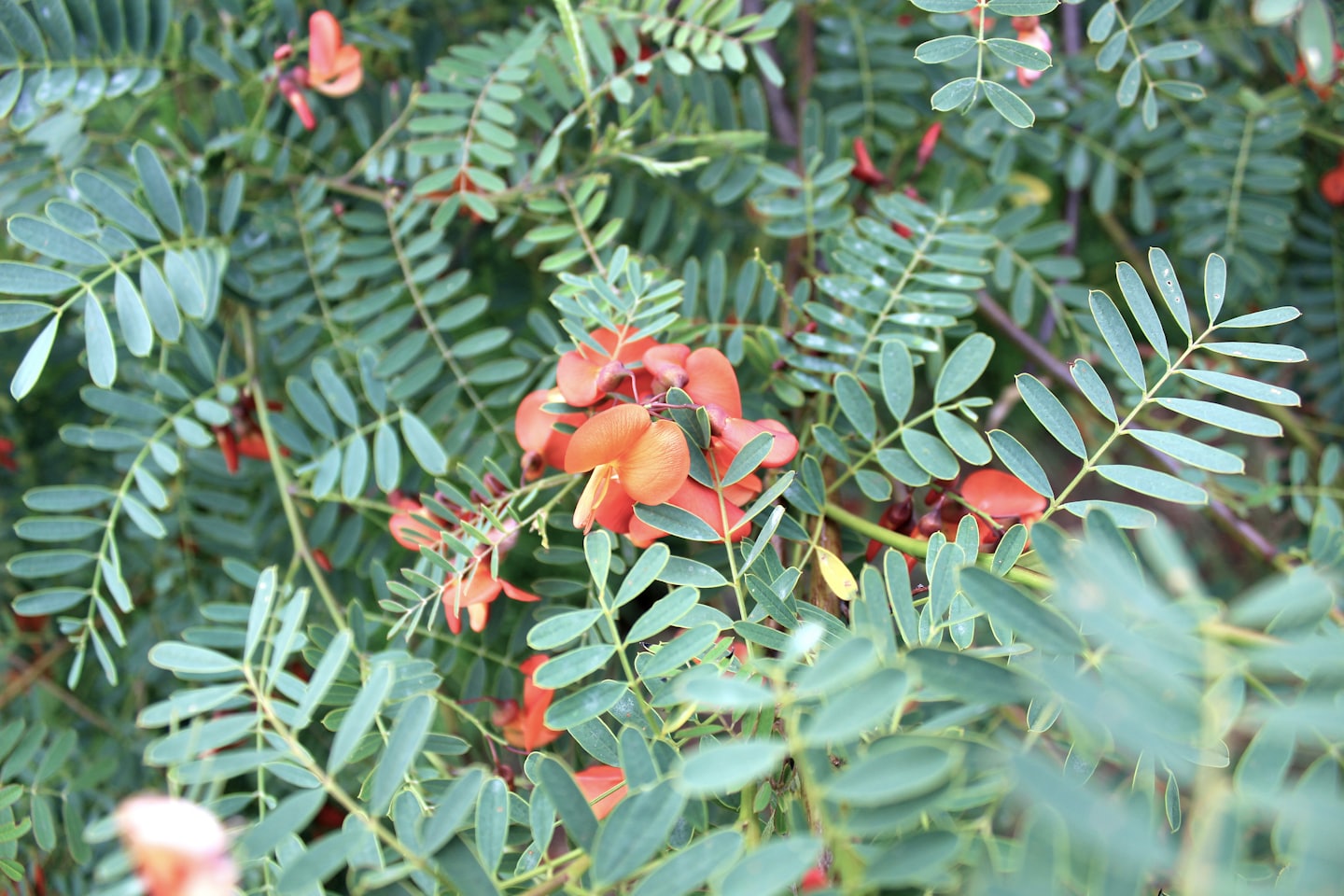
Restoring Ecosystems
There are several methods for rehabilitating areas affected by invasive species. Some general guidelines are removing as many of the invasive species as possible, ammending the soil, and replanting the area with native vegetation. Weeding of the invasive species should be performed periodically to ensure the infestation does not begin again.
Learn About Our Commitment to Sustainable Ecosystems
This section explores our dedication to managing invasive plant species, emphasizing sustainability and ecological balance.
Below are some invasive plants commonly sold in nurseries and greenhouses, or that have been outlawed from being sold but may still be traded among oblivious gardeners.
According to the government of Canada, an estimated 58% of all invasive weeds were purposefully introduced for agricultural, ornamental, medicinal, or research purposes, before being classified as noxious weeds. Of these 58%, 52% were introduced as ornamentals for landscapes. Luckily the sale of such plants is largely regulated today, but there are still a few species that are up for debate due to their uncontrollable spreading habits and ability to colonize large areas when left unattended. Many invasive species are considered detrimental also for their ability to carry diseases that harm local environments, or because of their toxins capable of endangering livestock, or even human life. Below are a few examples of invasive plants that still openly sold but that are considered by a large number of professional gardeners to be invasive weeds. Strongly consider the possibility of these plants taking over your garden before purchasing them, and check their toxicity if you have any pets or children.
Trees
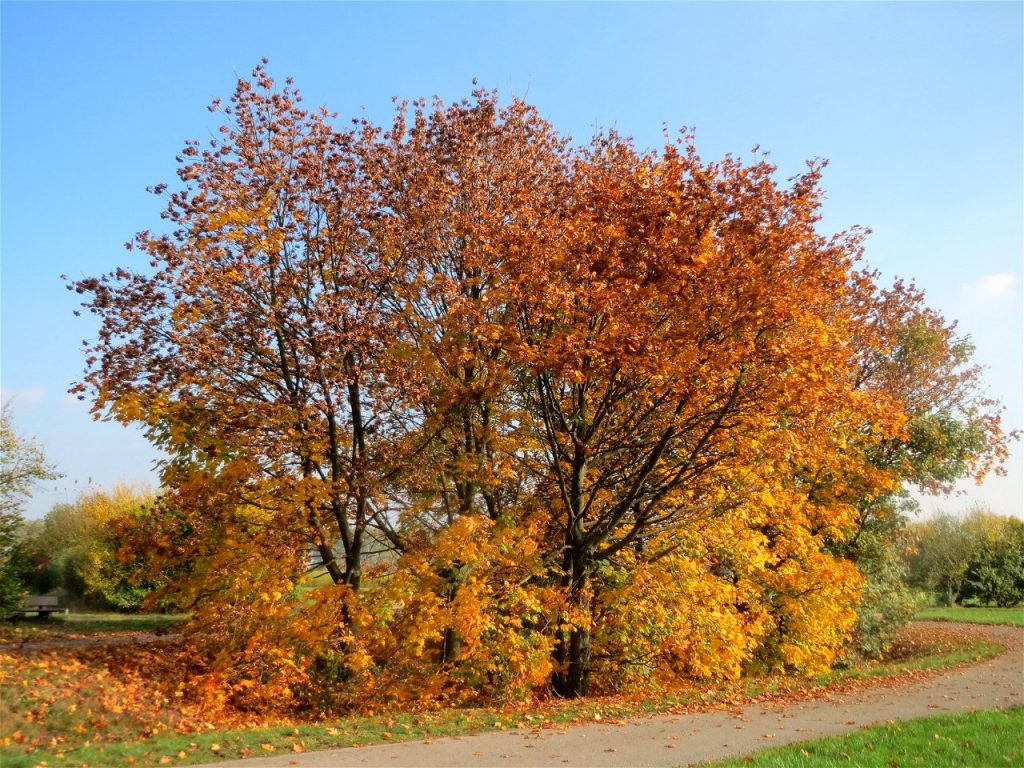
Norway Maple
Acer platanoides
- Grows rapidly, forming a thick canopy that block sunlight and prevents the growth of other plants
- Known to prolifically spead out of control, with seeds travelling long distances
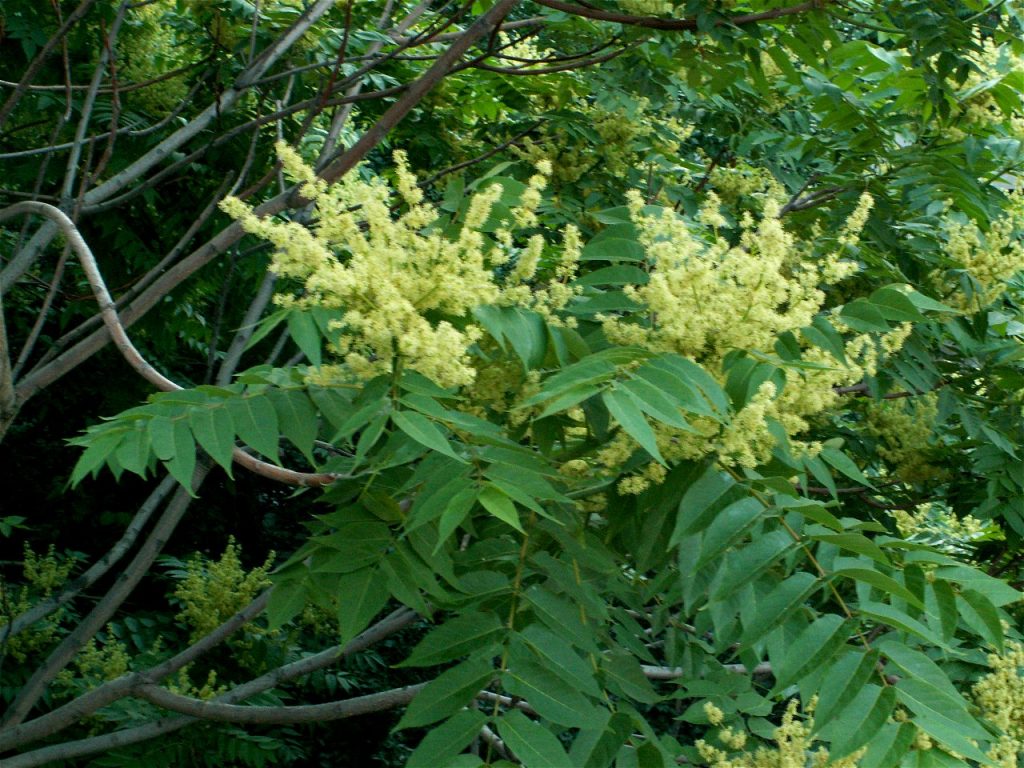
Tree of Heaven
Ailanthus altissima
- Invades open spaces and outcompetes native species
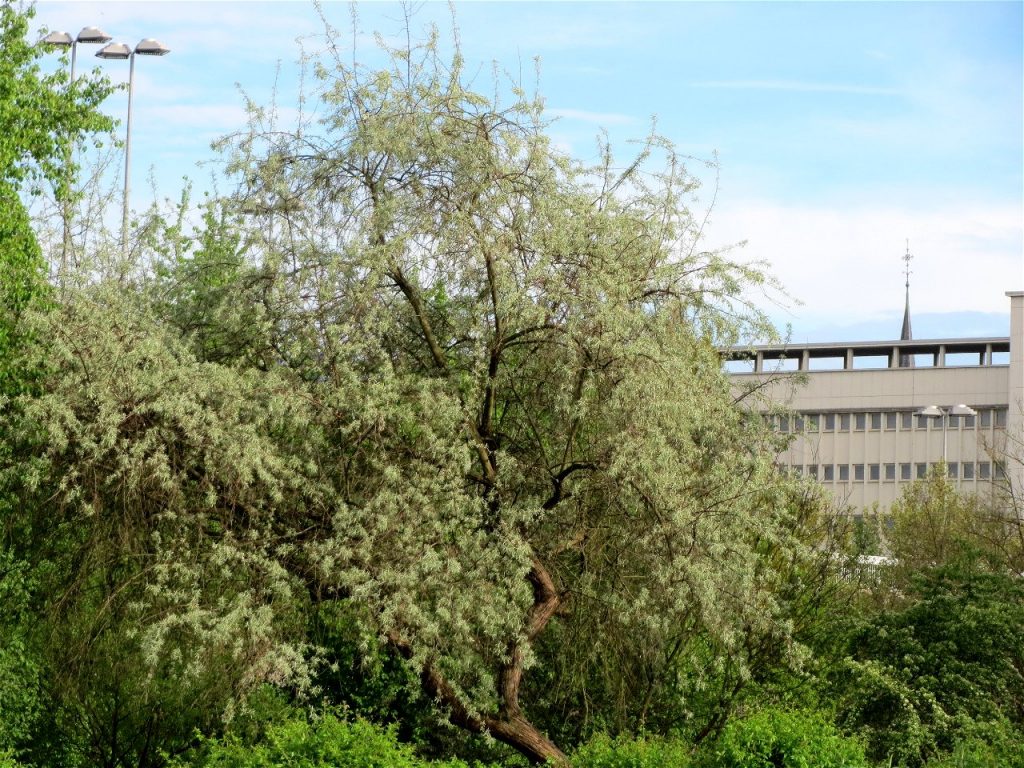
Russian Olive
Elaeagnus angustifolia
- Fast-spreading and incredibly resistant to both hot and cold temperatures.
- This tree outcompetes native species and is avoided by deer and other large grazers
- Suckers are deeply rooted and regrow vigorously when cut
Shrubs
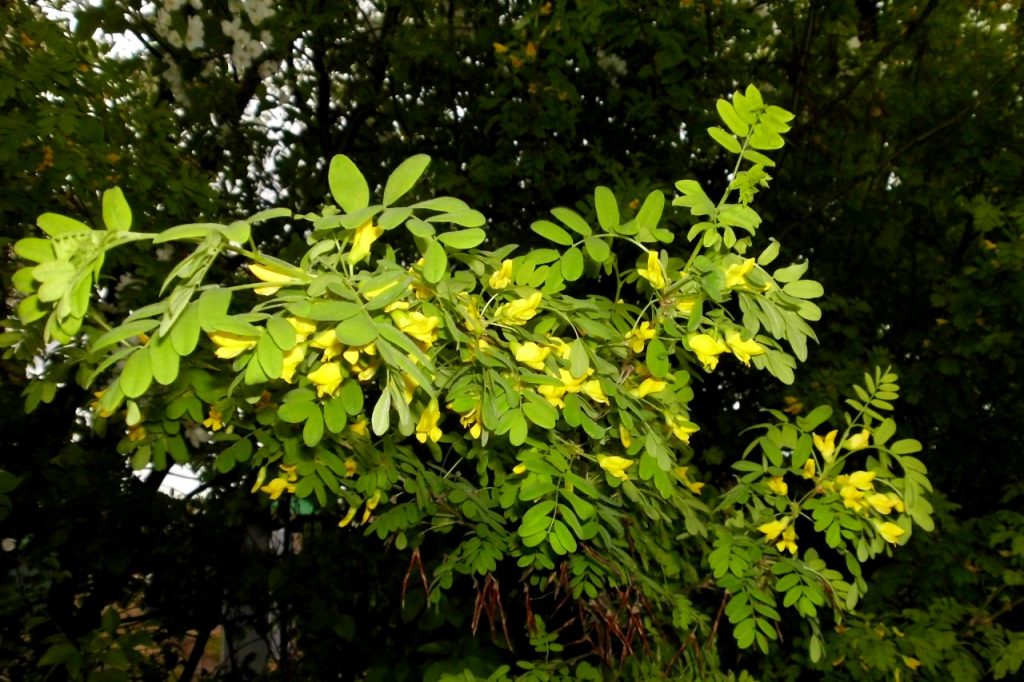
Caragana/Siberian Peashrub
Caragana arborescens
- Newly recognized as invasive in Alberta and Minnesota
- Efforts have very recently begun to remove the plant from parks and woodlands where it has spread
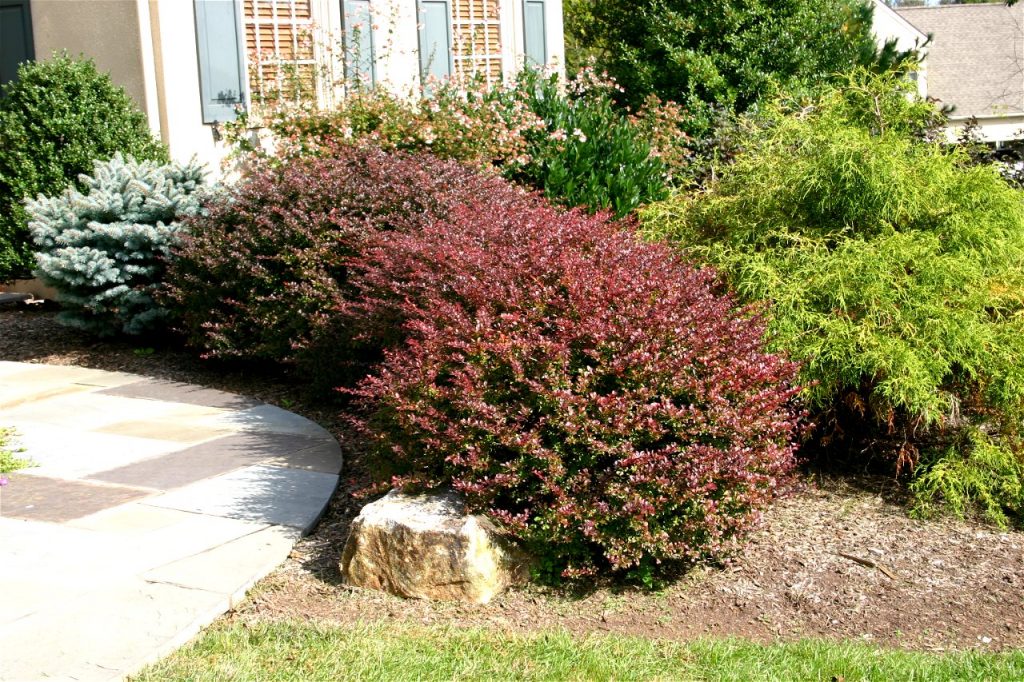
Barberry bushes
Berberis vulgaris & thunbergii
- B. vulgaris has long been on Canada’s invasive list as it hosts black stem rust which is a major threat to cereal crops
- B. thunbergii has recently been found overtaking woodlands in Ontario and Minnesota
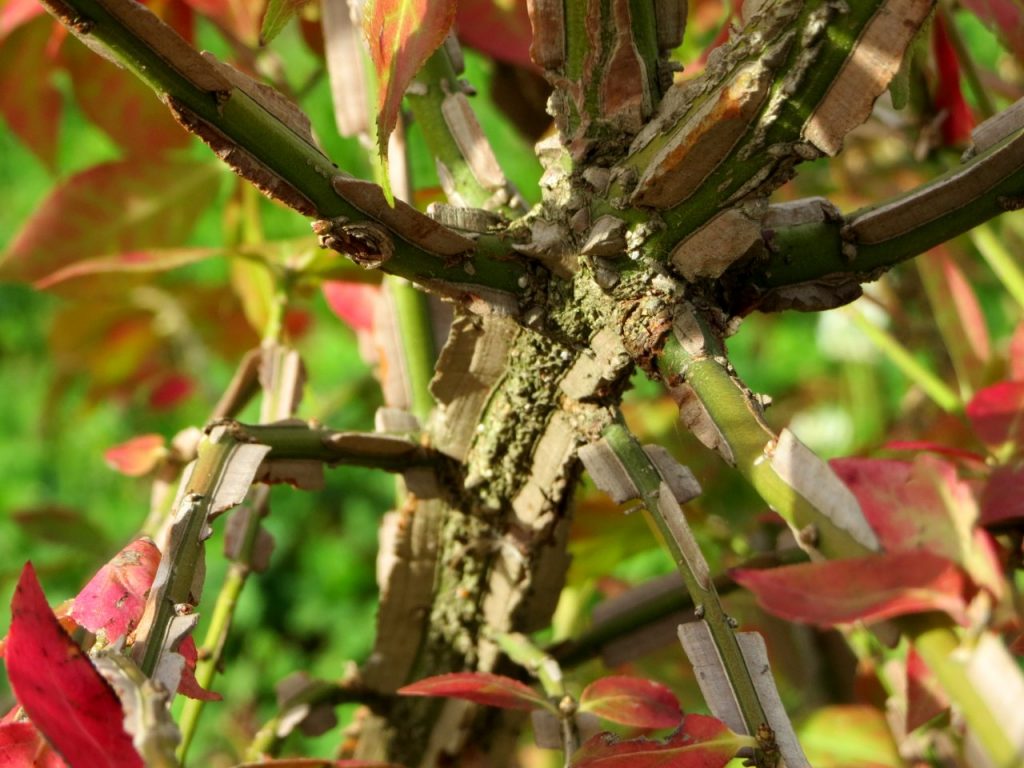
Winged burning bush
Euonymus alatus
- Declared invasive in most of the US and in Ontario
- Dense thicket forming habits and substantial seed production make the spread of the plant near impossible to control
- Turkestan burning bush (Euonymus nanus ‘Turkestanica’), is a good non-invasive substitute
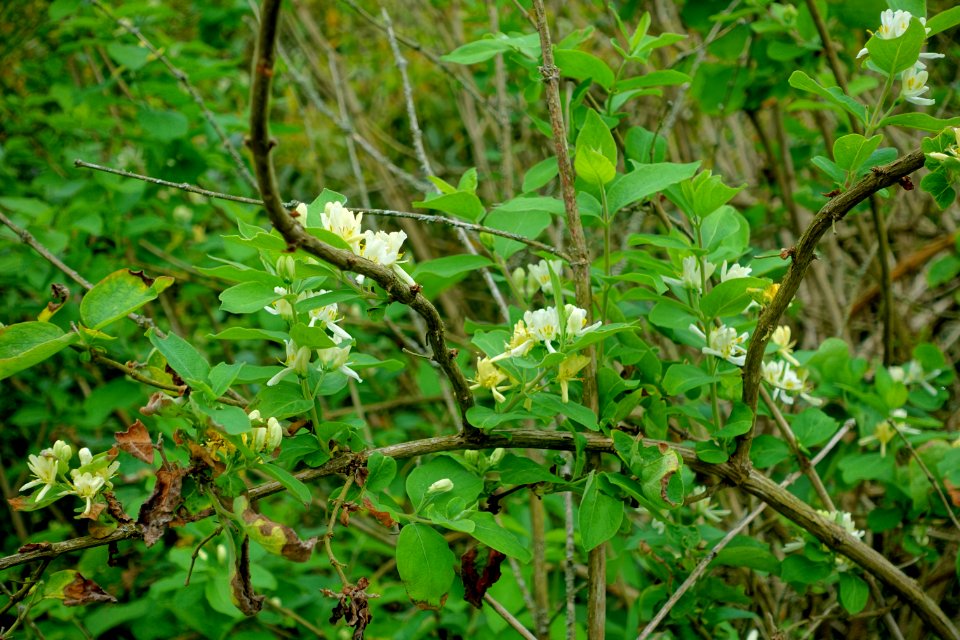
Non-native bush honeysuckles
Lonicera morrowii, L. tartarica, L. xylosteum
- Spread long distances by birds
- Invade large areas and choke out native plant species
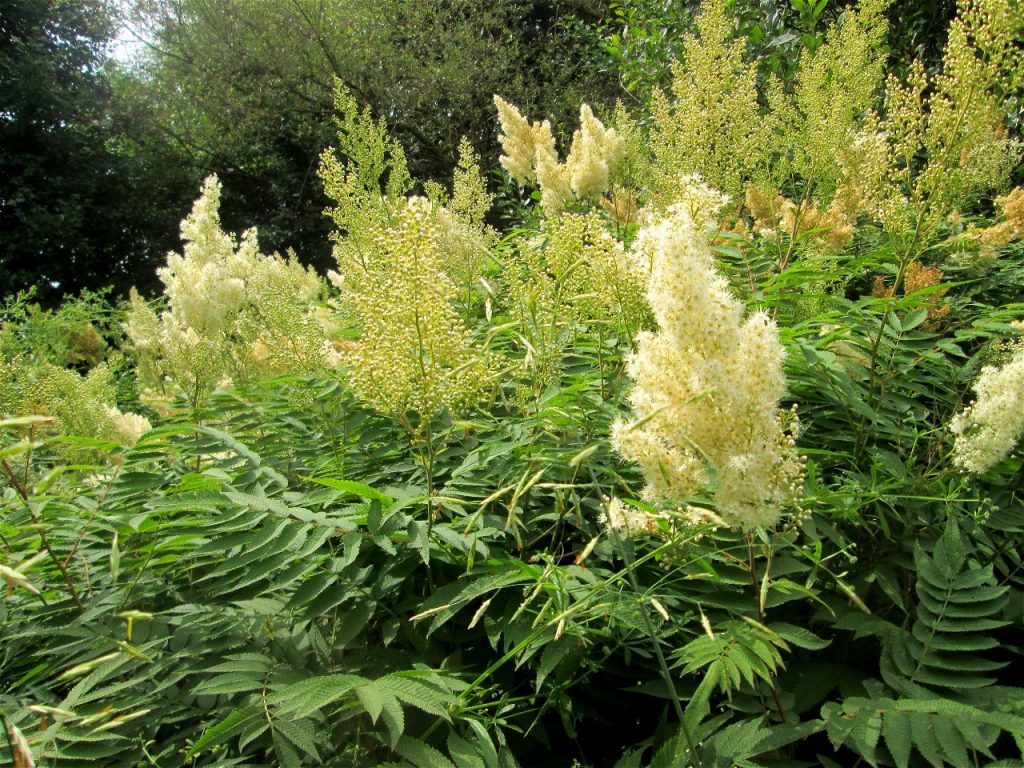
Ural false spirea
Sorbaria sorbifolia
- Aggressive suckering habits make it so that the plant spreads wildly out of control
- Entire areas are engulphed in dense foliage, and roots are very difficult to fully dig up
Herbaceous
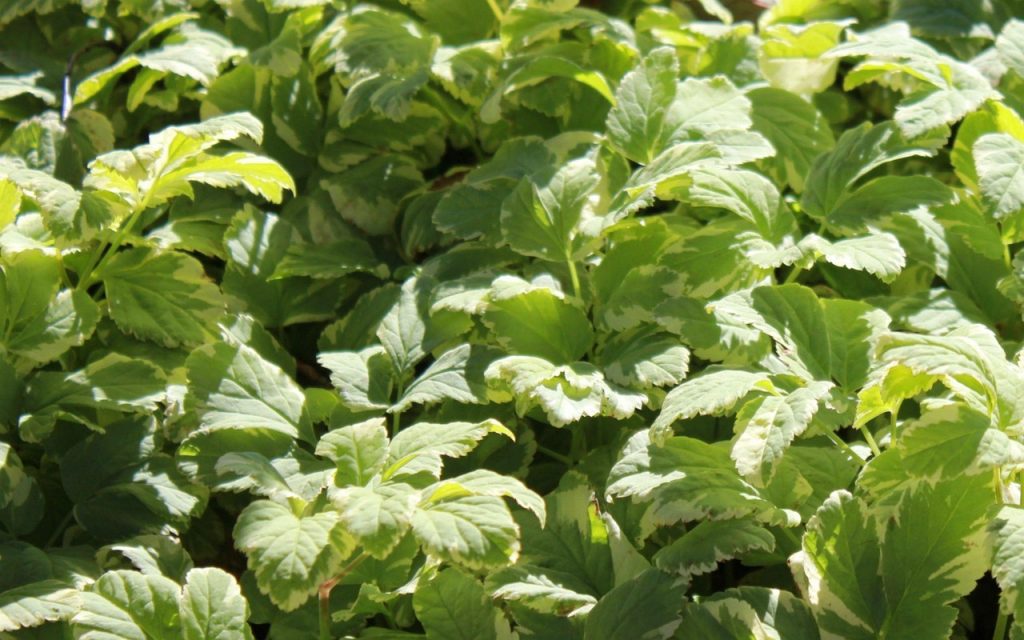
Bishop’s goutweed
Aegopodium podagraria)
- Almost impossible to eradicate once planted
- Shade and drought tolerant, will spread with ease to all areas of the garden and beyond, choking out all other plants as it goes
- Very commonly sold in nurseries
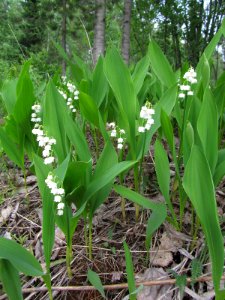
Lily of the Valley
Convallaria majalis
- Easily escapes cultivation and forms mass colonies in woodlands, displacing native plants
- All parts of the plant are highly toxic
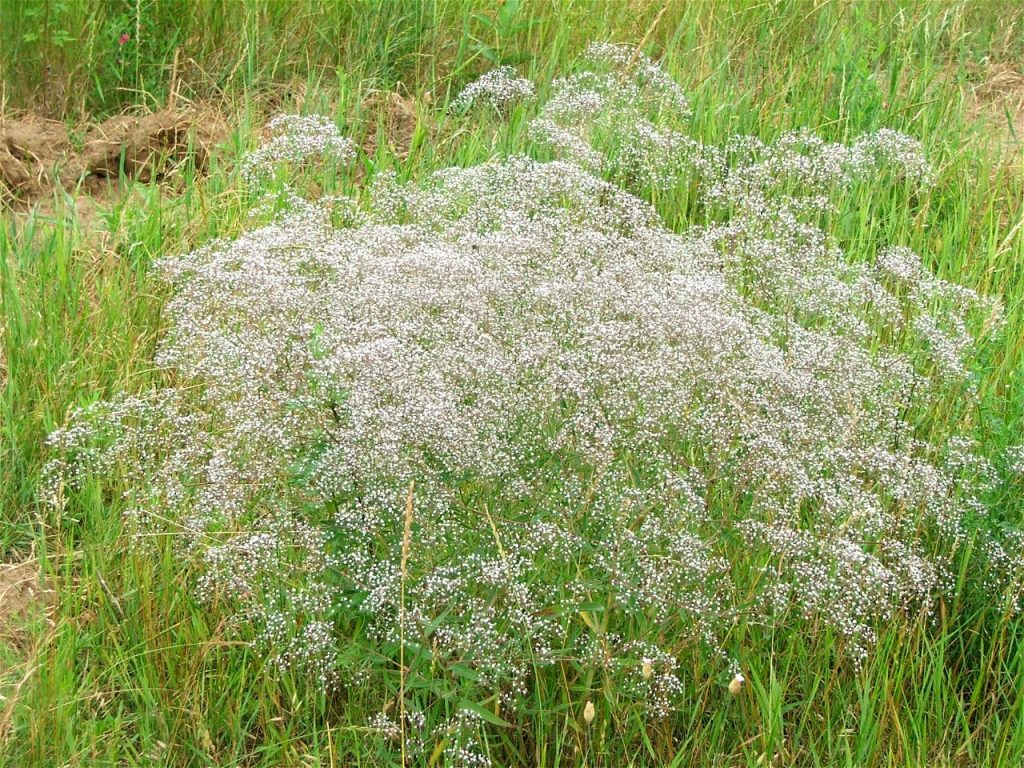
Baby’s Breath
Gypsophila paniculata
- Significantly devalues livestock and wildlife forage
- Prolifically spreads through thousands of tiny seeds
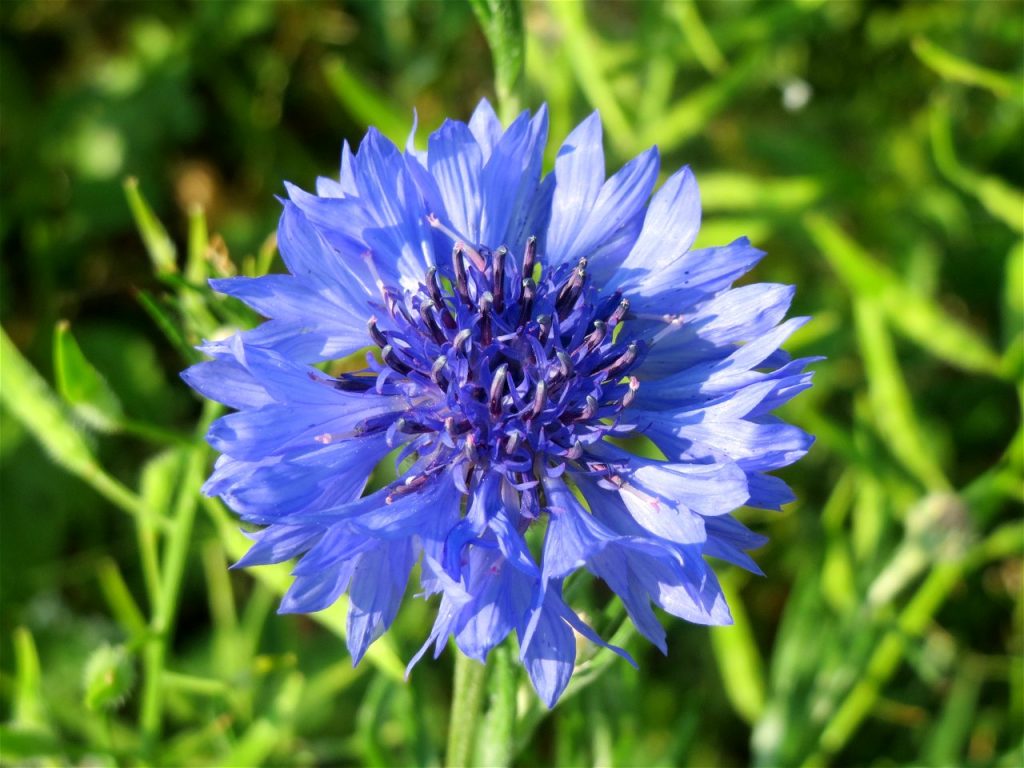
Cornflower/Bachelor’s Button
Centaurea cyanus
- Classified as invasive in Canada and three US states. Absolutely prohibited in North Carolina
- Spreads prolifically by seed and takes over native ecosystems
- The sheer volume of seeds produced make this plant extremely difficult to contain
- Seeds sold at nurseries and part of ‘wildflower’ mixes
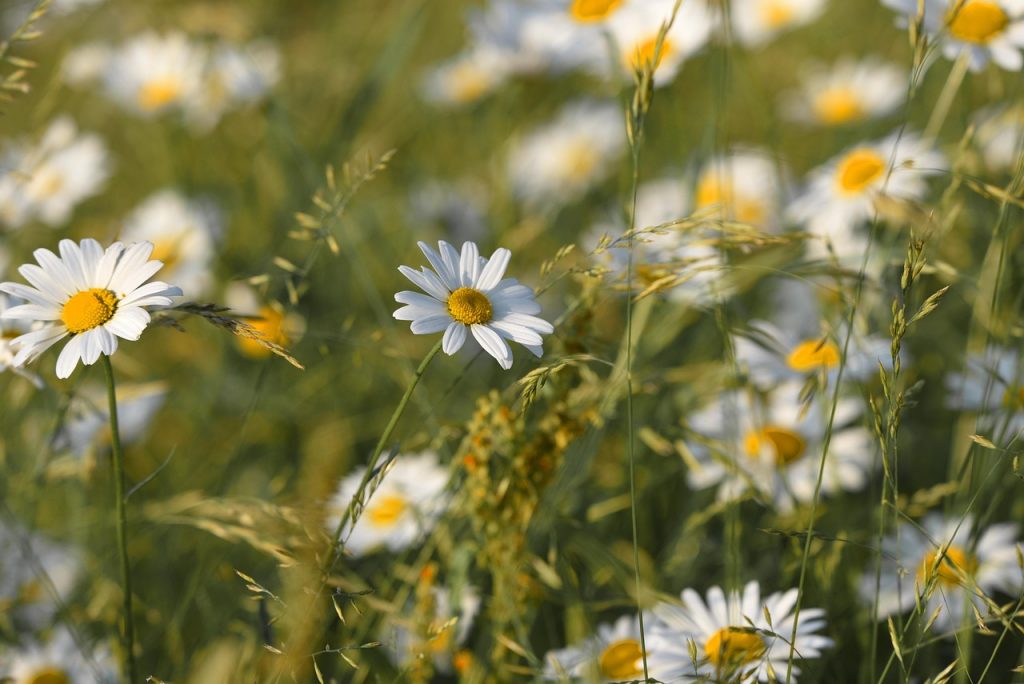
Ox-Eye Daisy
Leucanthemum vulgare
- Fast spreading through seed and roots alike, form dense clusters that displace native vegetation, especially wildflower
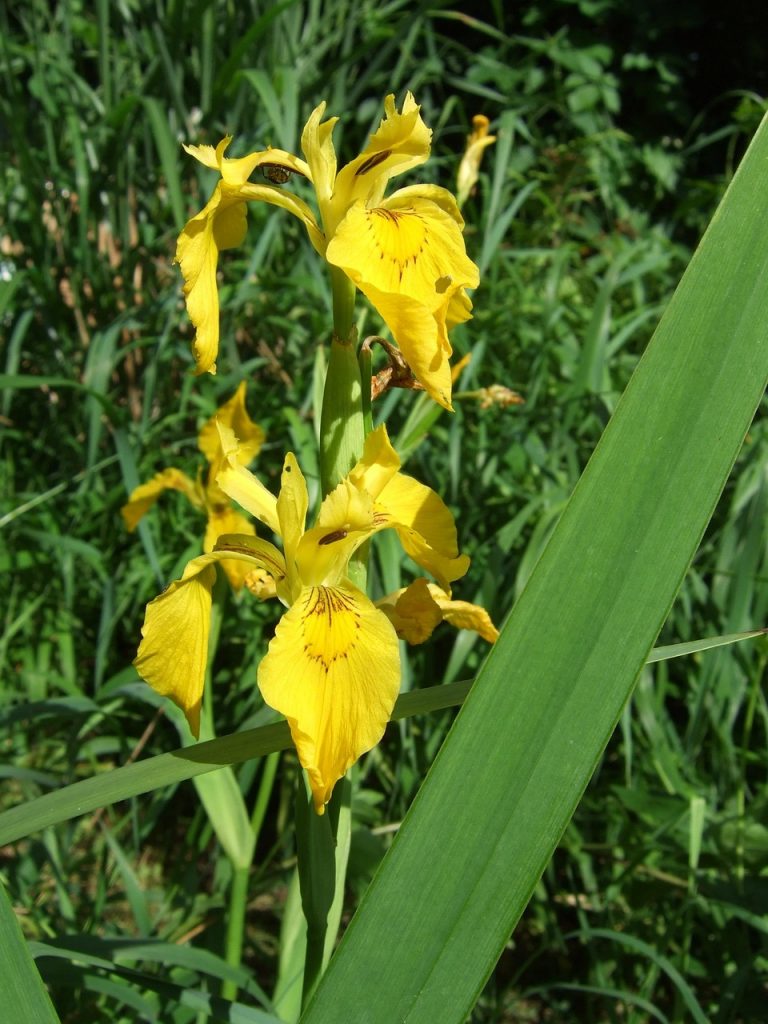
Yellow flag iris
Iris pseudacorus
- Quickly degenerate wetlands by forming dense matts that encroach on fish habitats and bird nesting sites
- Will eradicate native wetland species through overcrowding and excessive water absorption