Native Bees
The Vital Work of Native Bees
Learn how native bees nurture Alberta’s foothill ecosystems.
Bees found in the alberta foothills
To learn more about each bee, click the button with the bee name below their photo!
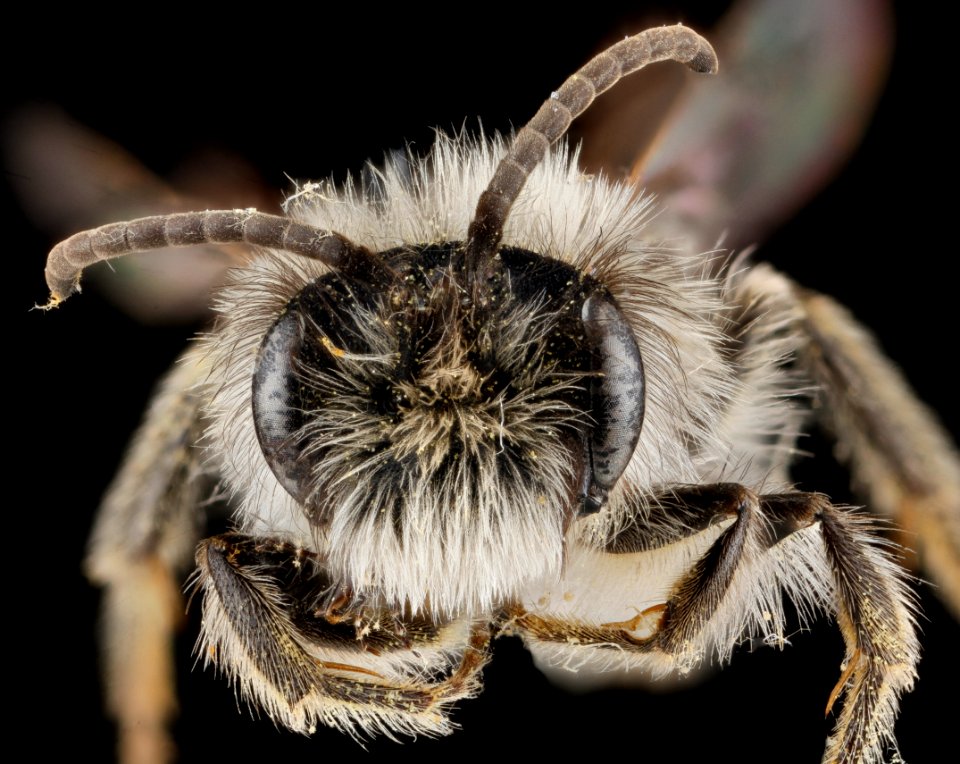
- Seasonality: Mid April-Early June
- Nesting: Soil
- Floral hosts: Cornus, Prunus, Salix
- Status: Least concern
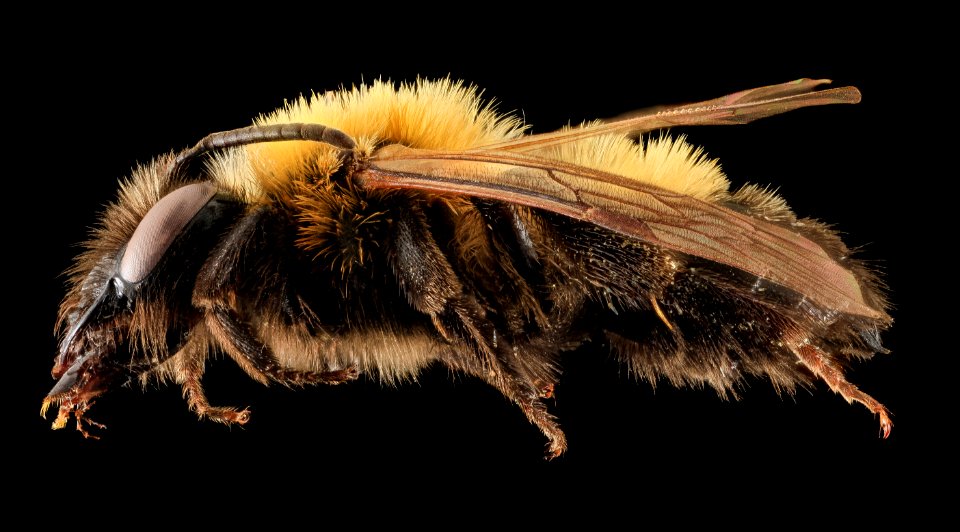
- Seasonality: Mid April-Early June
- Nesting: Soil
- Floral hosts: Polylege (wide range of unrelated hosts)
- Status: Not listed
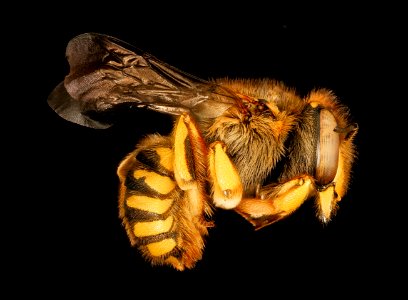
*Invasive*
- Seasonality: June-October
- Nesting: Cavity
- Floral hosts: Polylege
- Status: Invasive
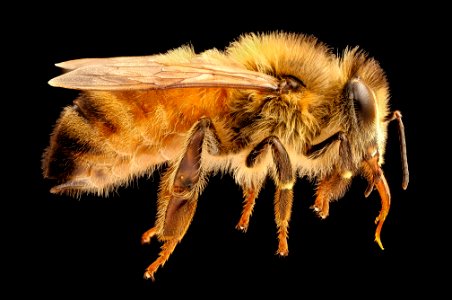
*Introduced*
- Seasonality: March – November
- Nesting: Hive
- Floral hosts: Polylege
- Status: Introduced
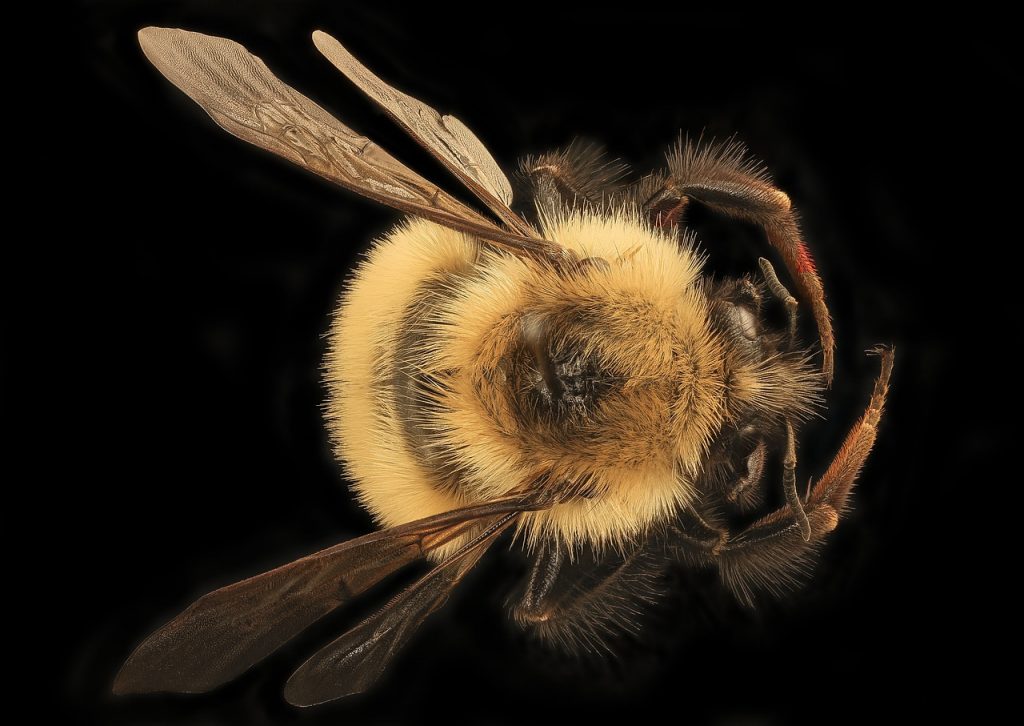
- Seasonality: May – September
- Nesting: Underground colony
- Floral hosts: Astragalus, Cirsium, Meliotus, Rubus, Solidago, Trifolium, Vicia
- Status: Not listed
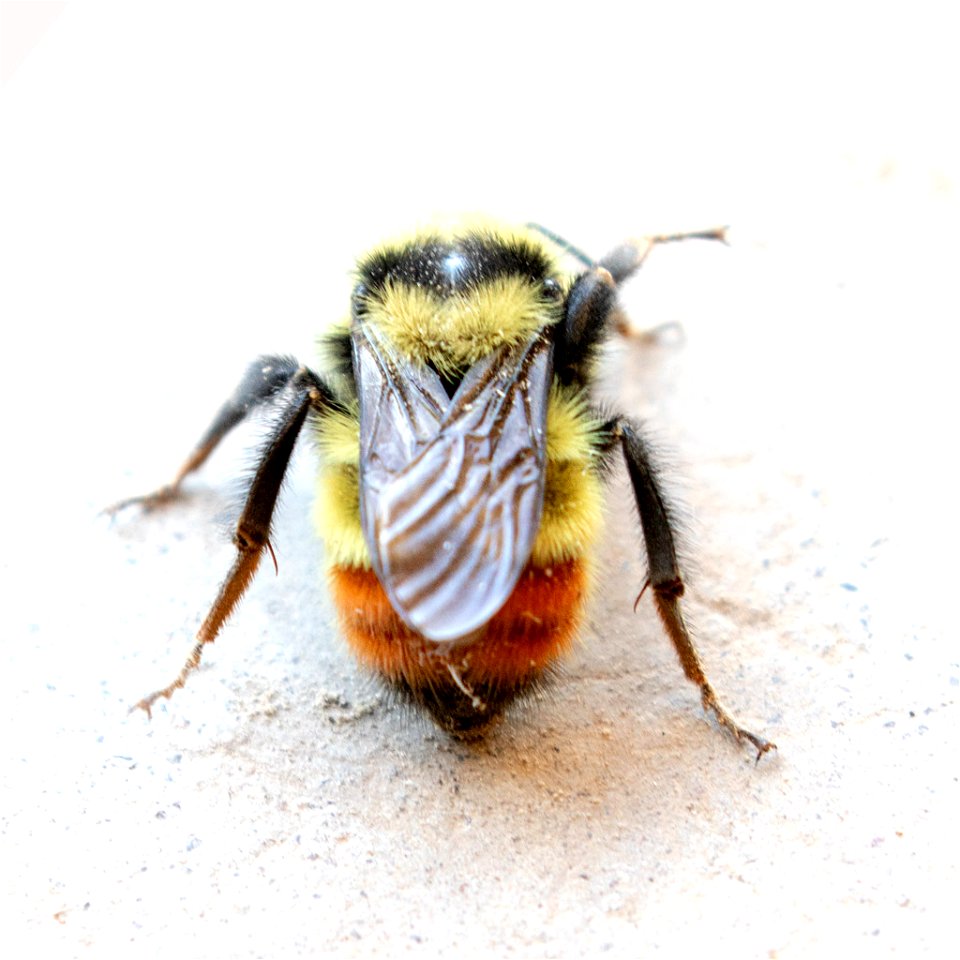
- Seasonality: Early May – September
- Nesting: Underground
- Floral hosts: Polylege
- Status: Not listed
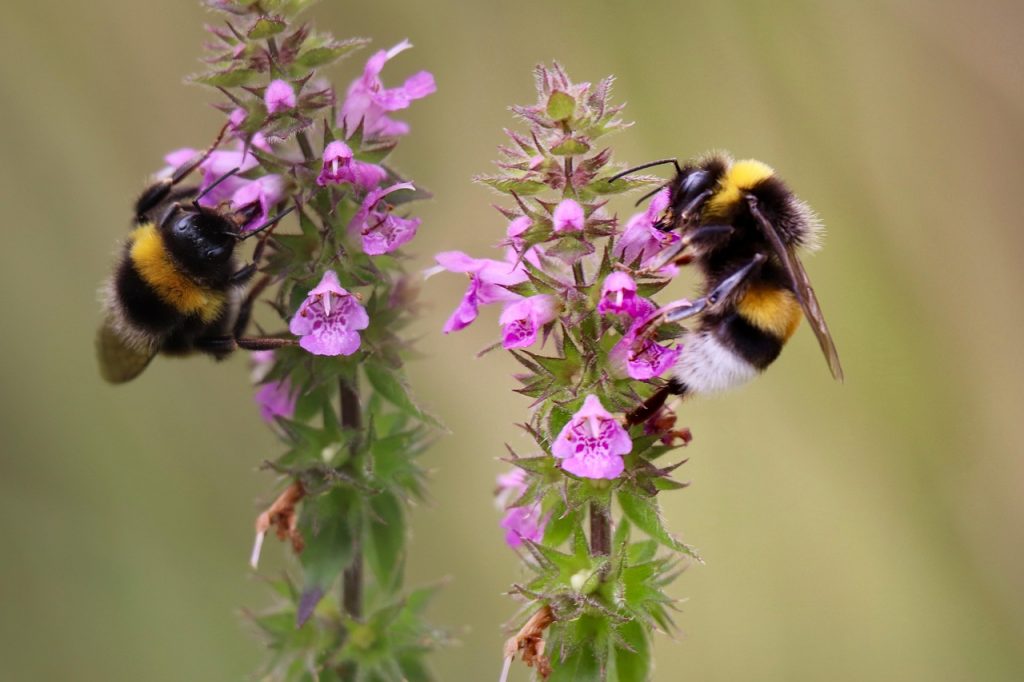
- Seasonality: May – August
- Nesting: Underground colony
- Floral hosts: Epilobium, Meliotus, Poentilla, Senecio
- Status: Not listed
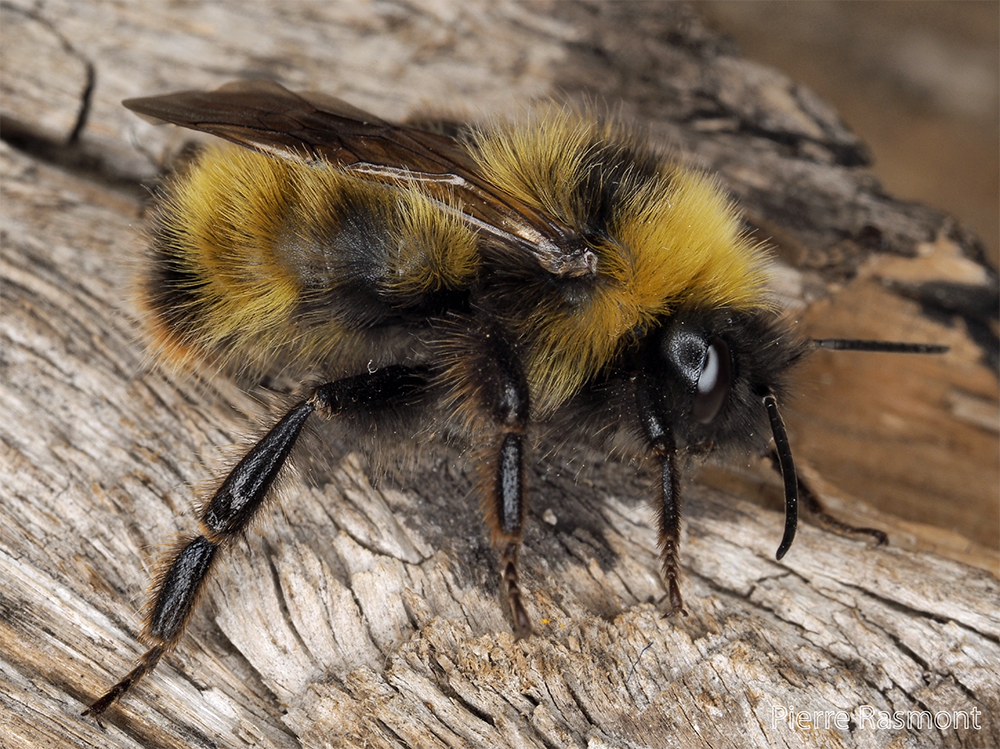
- Seasonality: May
- Nesting: Social parasite
- Floral hosts: Cirsium, Meliotus, Senecio
- Status: Not listed
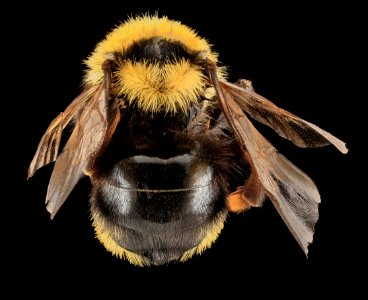
- Seasonality: June – August
- Nesting: Social parasite
- Floral hosts: Aster, Meliotus, Rubus, Senecio, Solidago, Vaccinium
- Status: Not listed
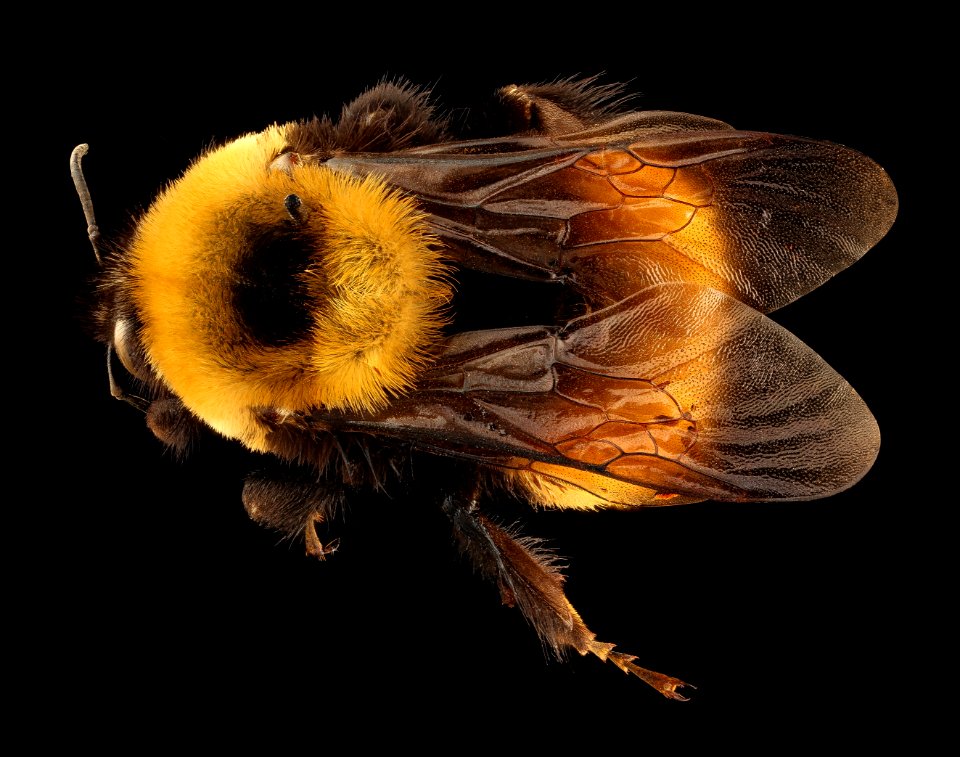
- Seasonality: September
- Nesting: Underground
- Floral hosts: Astragalus, Cirsium, Meliotus, Monarda, Penstemon, Phacelia, Salvia, Stachys, Vaccinium
- Status: Not listed
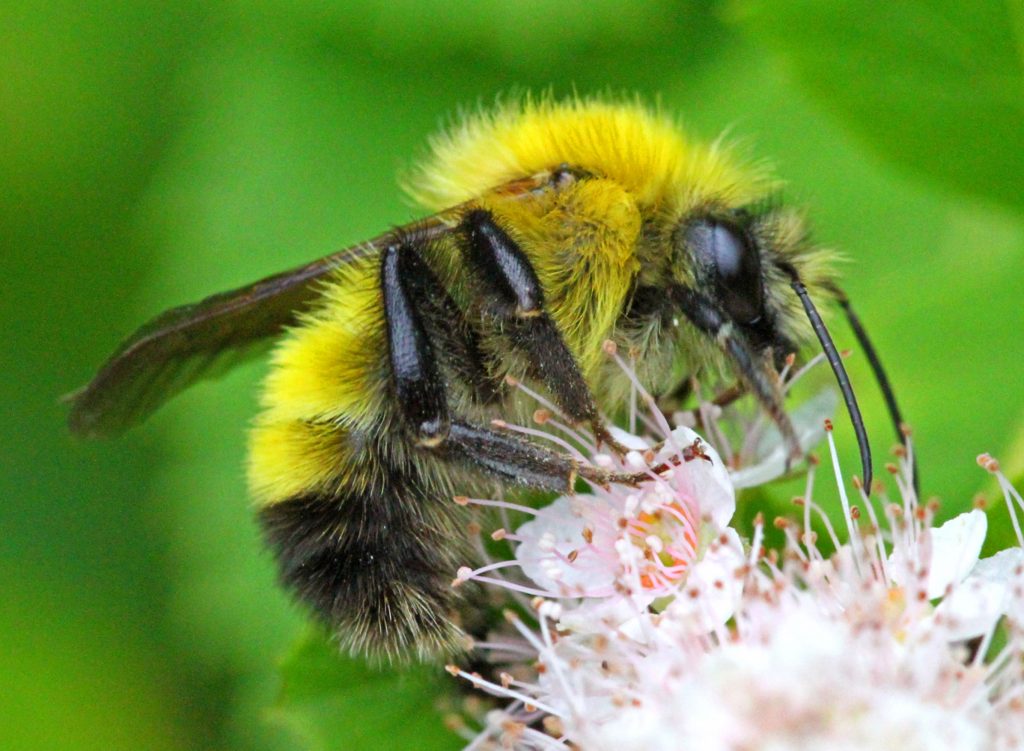
- Seasonality: May – August
- Nesting: Underground
- Floral hosts: Campanula, Cirsium, Lonicera, Meliotus, Penstemon
- Status: Not listed
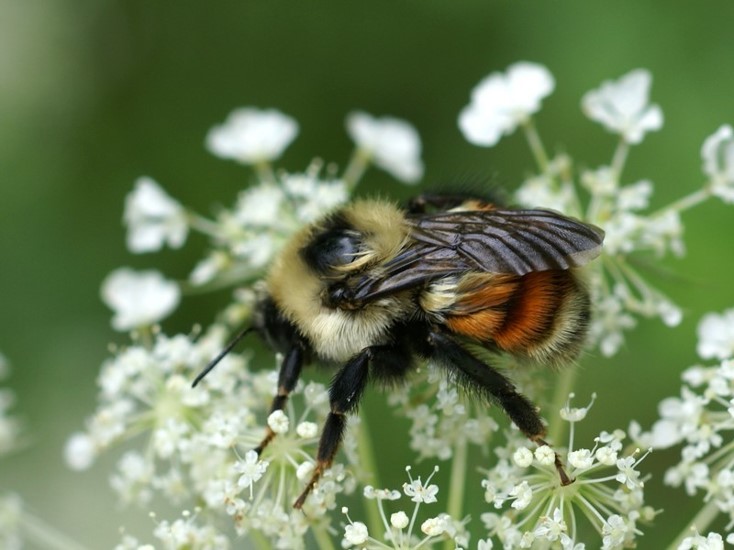
- Seasonality: May – September
- Nesting: On surface or above ground
- Floral hosts: Fragaria, Grindelia, Helianthus, Meliotus, Solidago, Trifolium, Vicia
- Status: Not listed
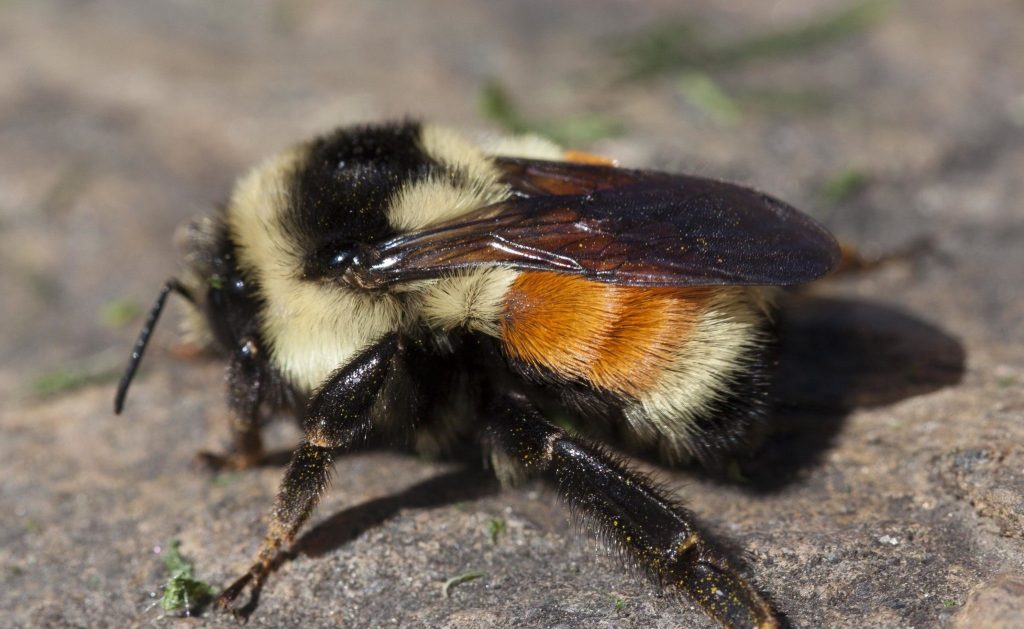
- Seasonality: June – July
- Nesting: Ground nesting
- Floral hosts: Rubus, Solidago, Symphyotrichum, Taraxacum, Trifolium, Vaccinium
- Status: Least concern
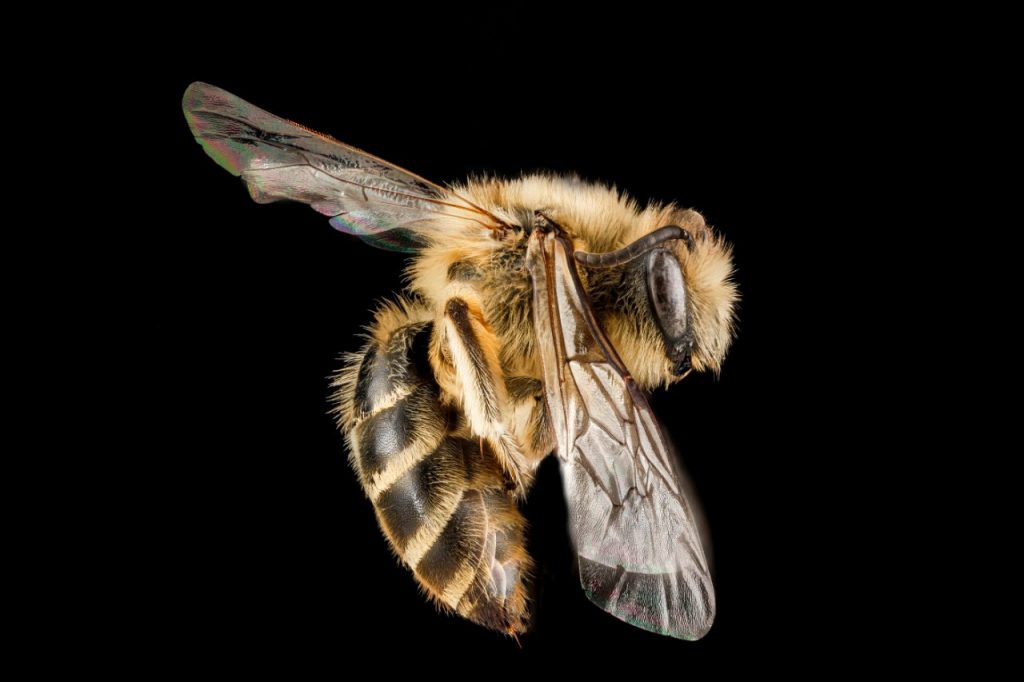
- Seasonality: April
- Nesting: Underground nesting cells
- Floral hosts: Polylege
- Status: Not listed
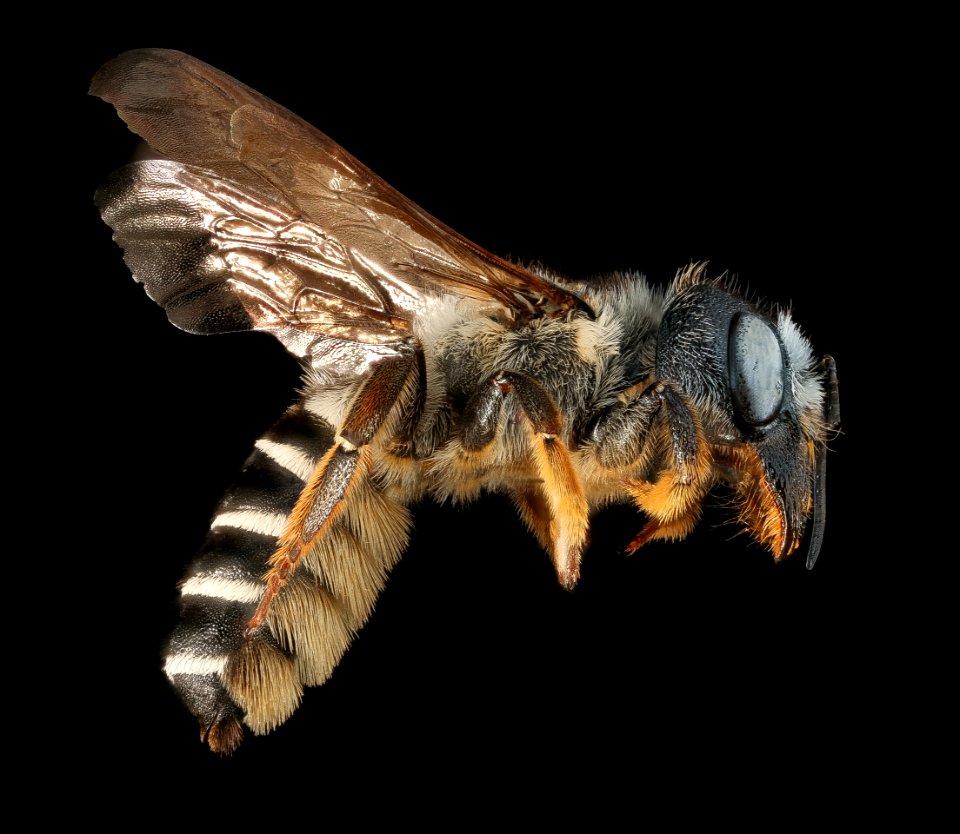
- Seasonality: July – September
- Nesting: Cavity
- Floral hosts: Polylege, Helianthus
- Status: No rank
Sources
The information for each of our bee pages above is compiled from several websites. For simplicity and organization we have listed where each piece of information is retrieved from below:
- Physical descriptions and behaviors: Bugguide.net
- Food sources and nesting: Alberta Native Bee Council
- Behavior and seasonality in Alberta: iNaturalist Canada
- Distribution (Range): Discoverlife.org
Explore Our Commitment to Supporting Native Bees
We are passionate about doing our part in incorporating sustainable landscaping practices to protect native bees and preserve Alberta’s natural ecosystems for future generations. By using exclusively native Alberta plants for our gardening purposes, we hope to pave the way for future gardeners and inspire them to create more sustainable pollinator habitats.
Native plants are heavily underutilized in the landscape industry, and while most plants will provide nectar and pollen to generalist bees, certain host flowers provide far better quality food sources for insects and cater to specific native bee preferences. Native pollinators have coevolved with regional plants over the course of millions of years. As a result, the most beneficial plants for local wildlife will be the ones that grow natively without human intervention. All pollinators have slightly different needs. Flower species, nesting conditions, and access to certain resources will all dictate the suitability of an environment for pollinator species.
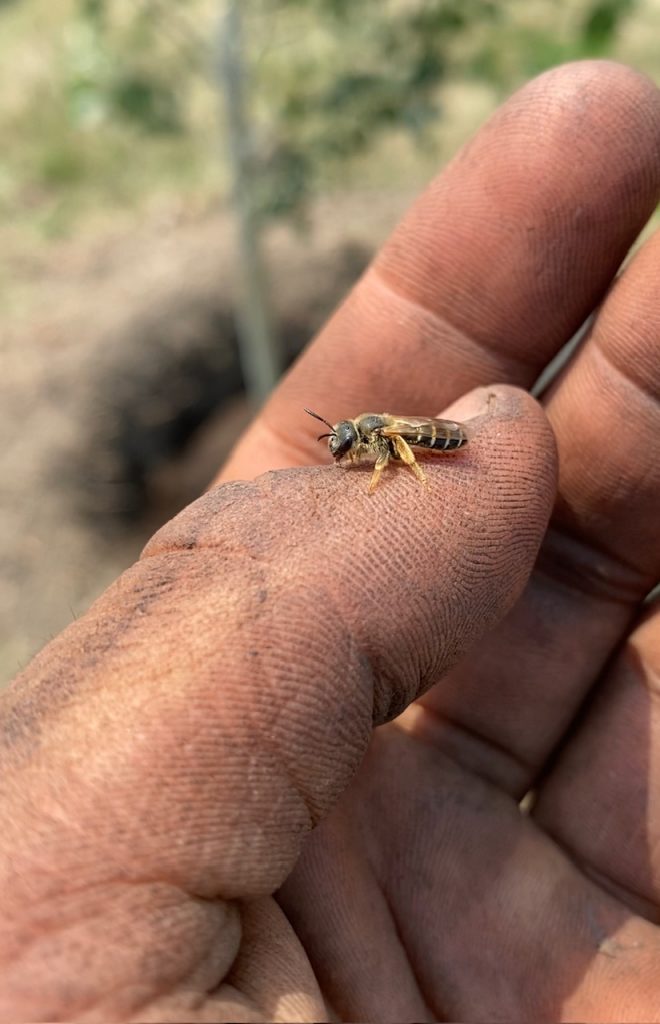
Benefits of Native Bees
How native bees contribute to thriving ecosystems in Alberta.
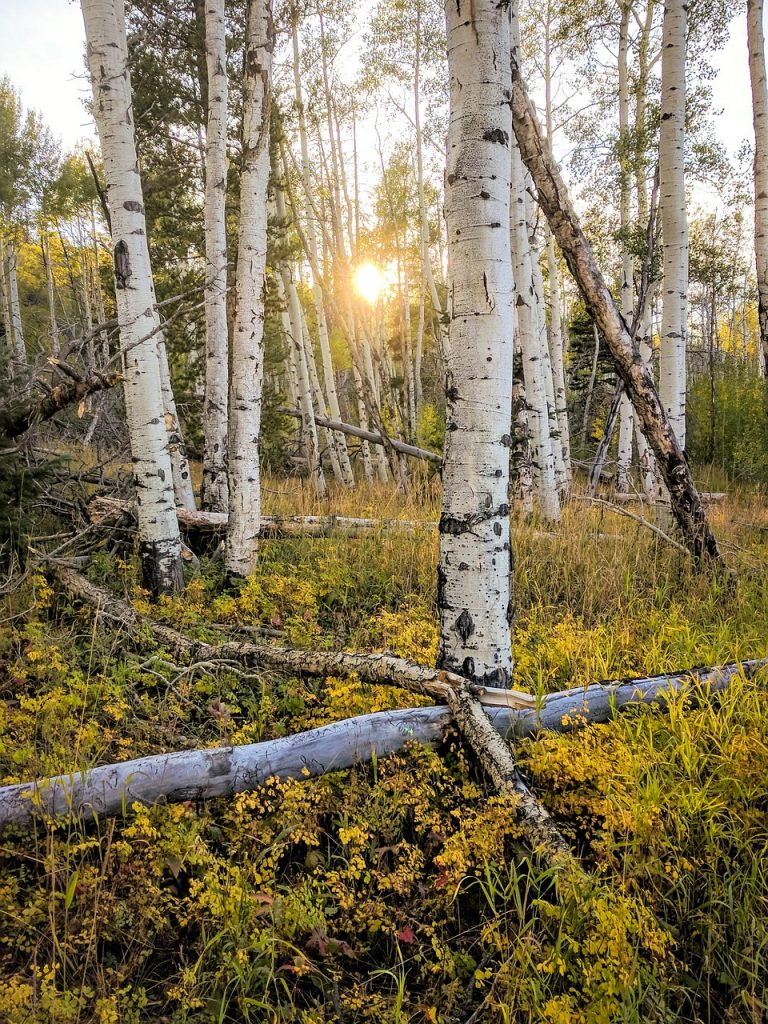
Pollination
Native bees are vital for pollinating local plants and crops alike. Some plants have such a close symbiotic relationship that only a certain type of bee can pollinate them.
Ecosystem Balance
Native bees help maintain biodiversity and balance in natural habitats.
Natural Sustainability
Supporting a diverse range of bee species encourages sustainable landscaping practices, and counteracts habitat loss caused by urbanization.
Wildlife Support
Regional bees provide food sources for other wildlife, enhancing ecosystem health.
Environmental Protector
Promoting native bee populations protects rare and elusive wildflower species, and ensures their survival for future generations to enjoy.
Resources for supporting Native Bees
Explore resources and insights on supporting native bees, essential for thriving ecosystems and sustainable practices.
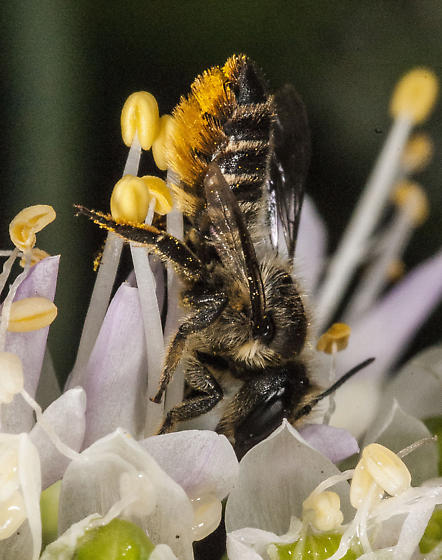
Pollination Power
Learn how native bees play a crucial role in pollinating Alberta’s unique flora, and which plants you can add to your garden to ensure native bees have the food they need.
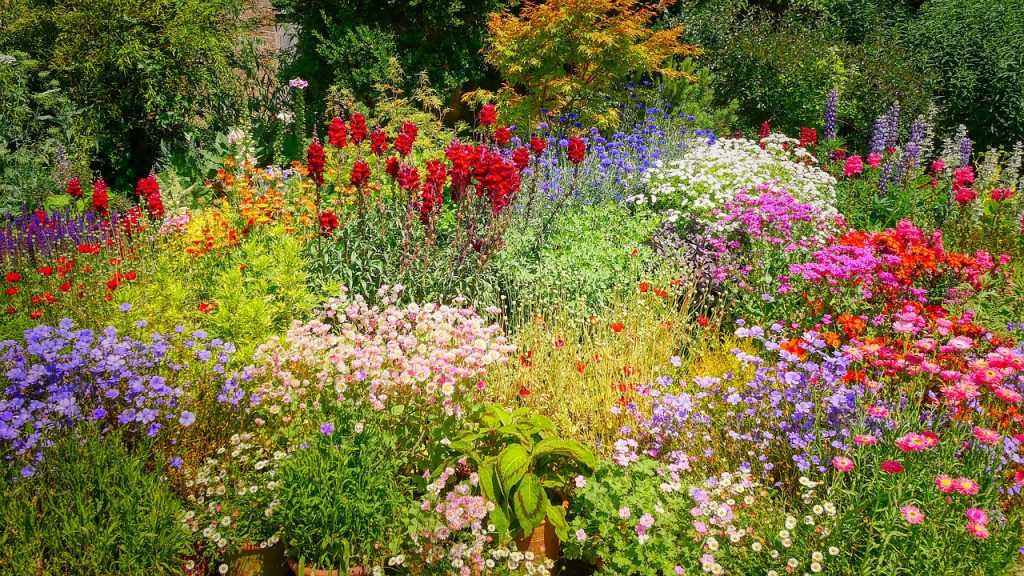
Bee-Friendly Landscaping
Discover landscaping techniques that nurture native bee populations sustainably.
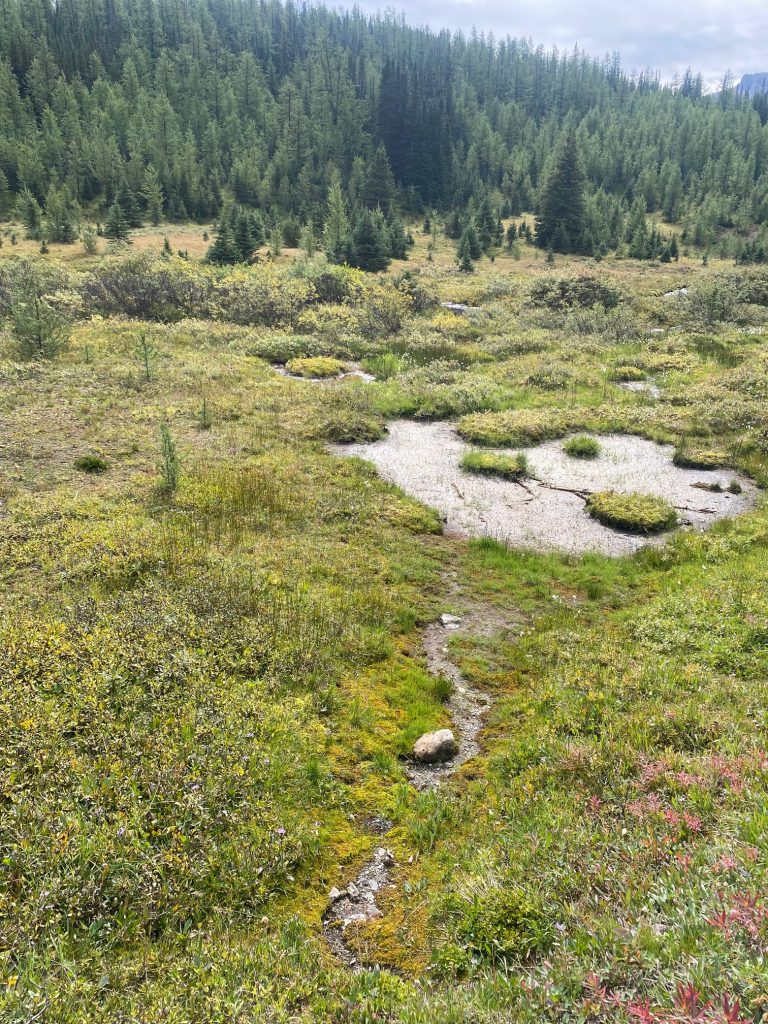
Protecting Bee Habitats by reducing the spread of invasive species
Uncover ways to preserve native bee habitats in Alberta’s foothills by identifying invasive plants and reducing their spread.
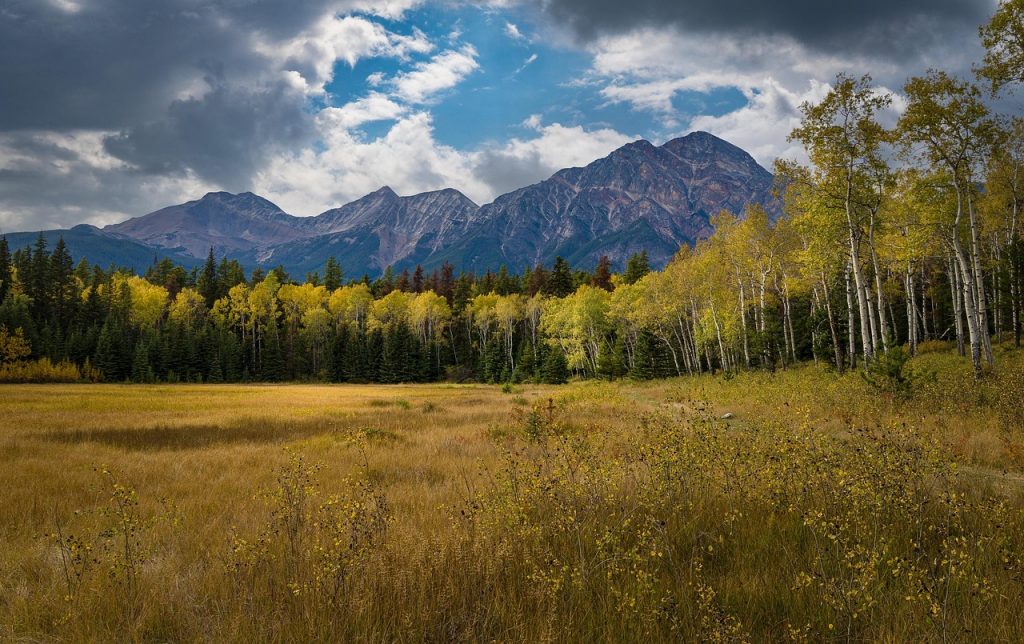
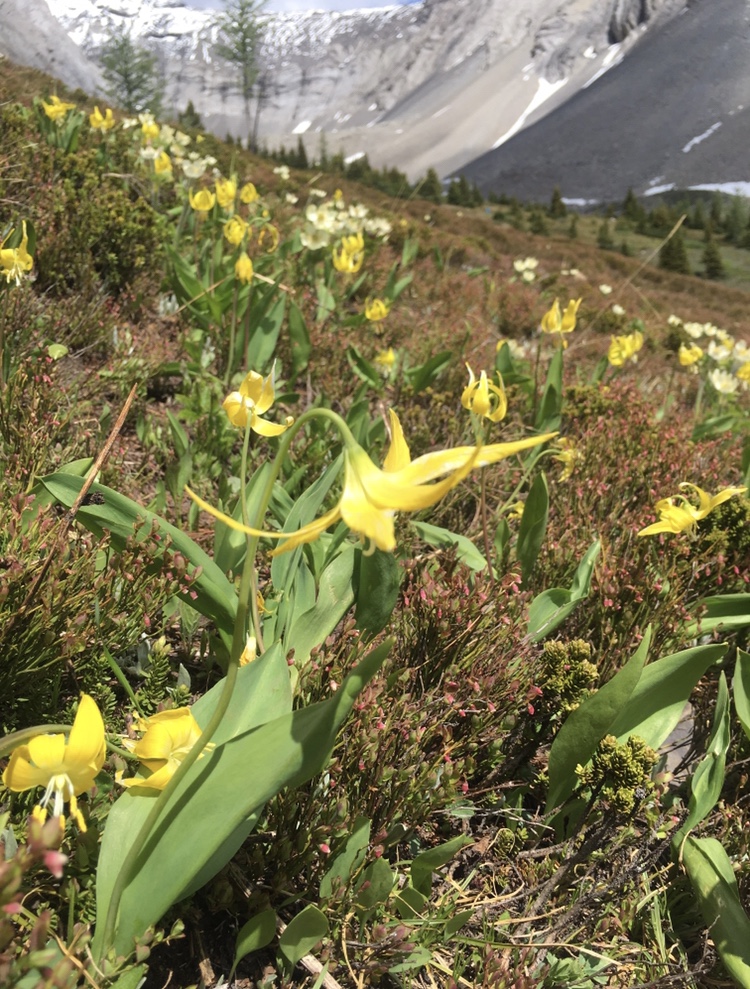
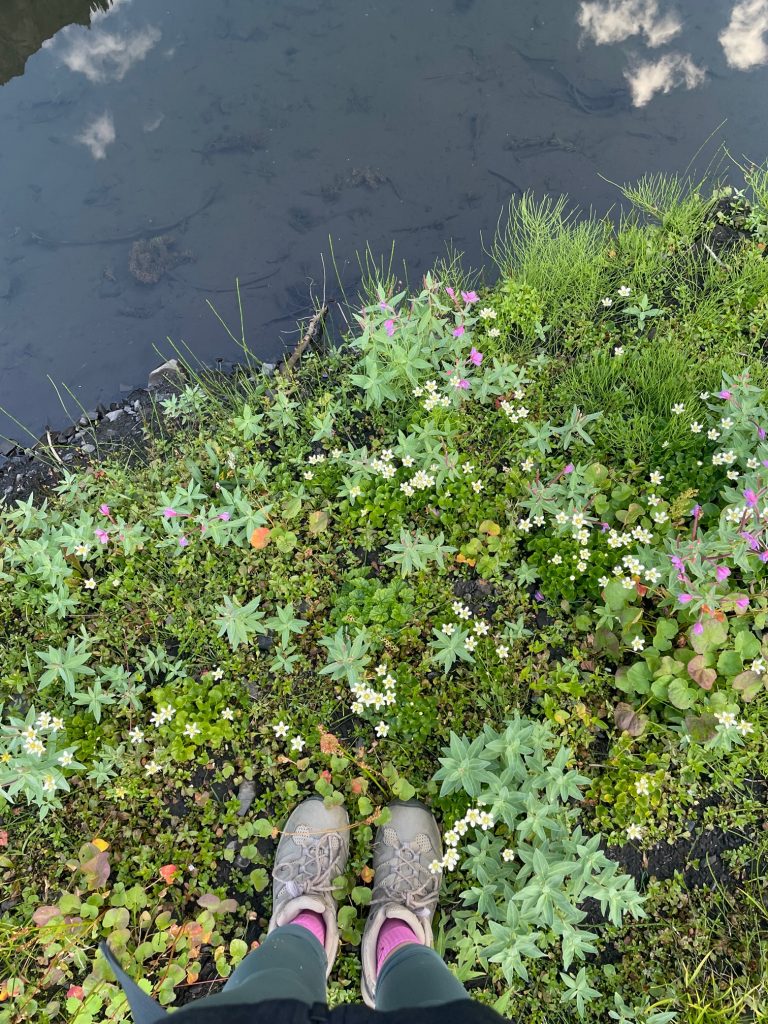
Our Beautiful Landscapes
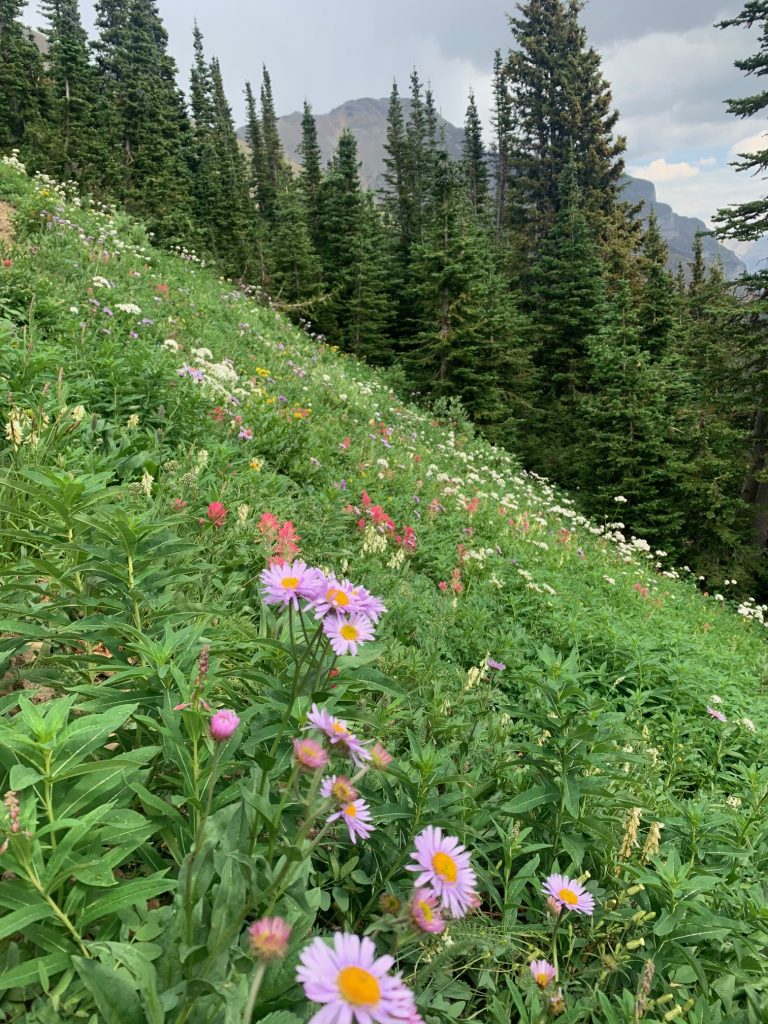
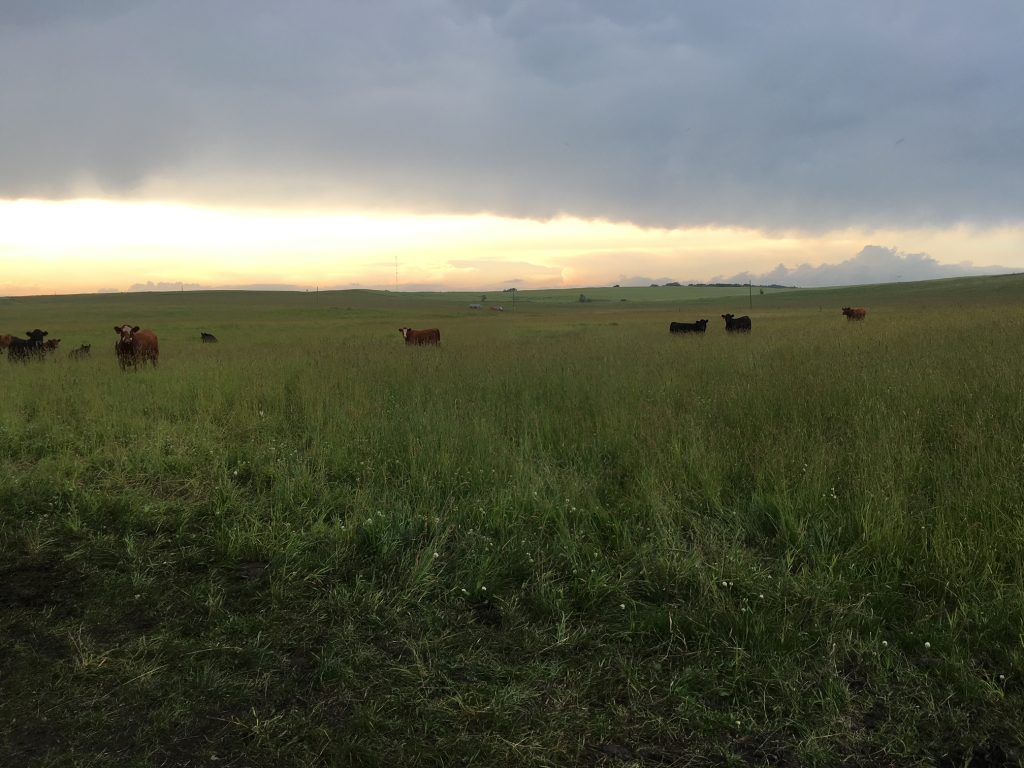
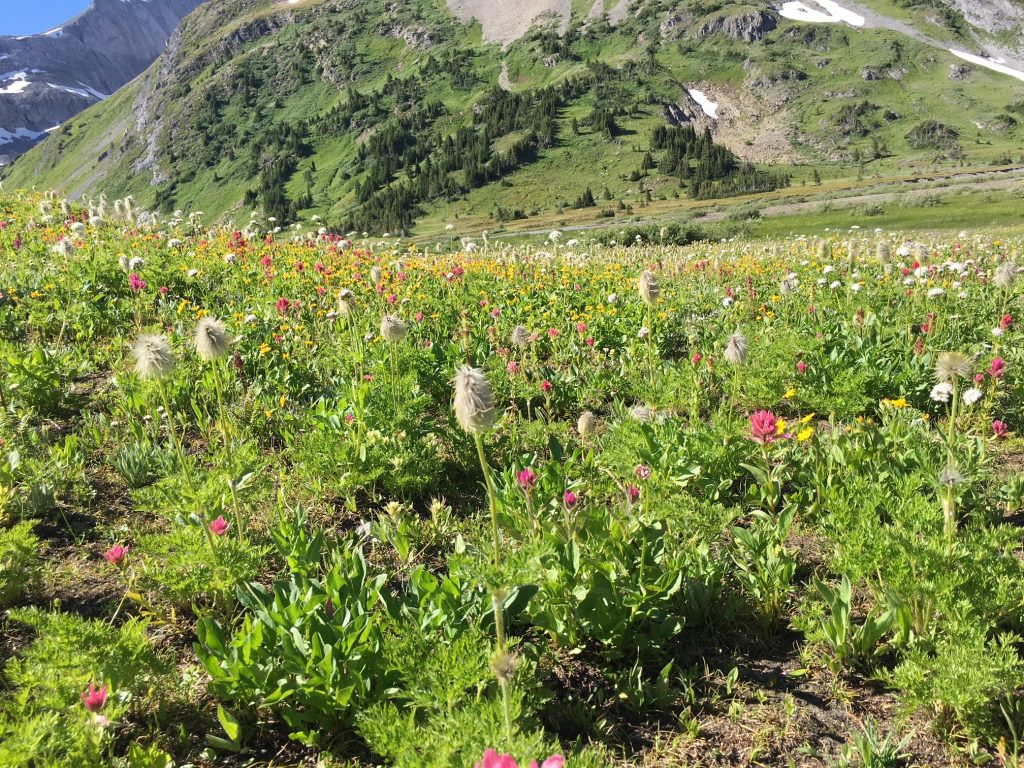
Browse a handpicked gallery celebrating the natural beauty of Alberta’s foothills and native bee habitats.
Visit our sources page for more in-depth information on bees, plants, and landscape practices