Bombus centralis
Great Basin bumble bee
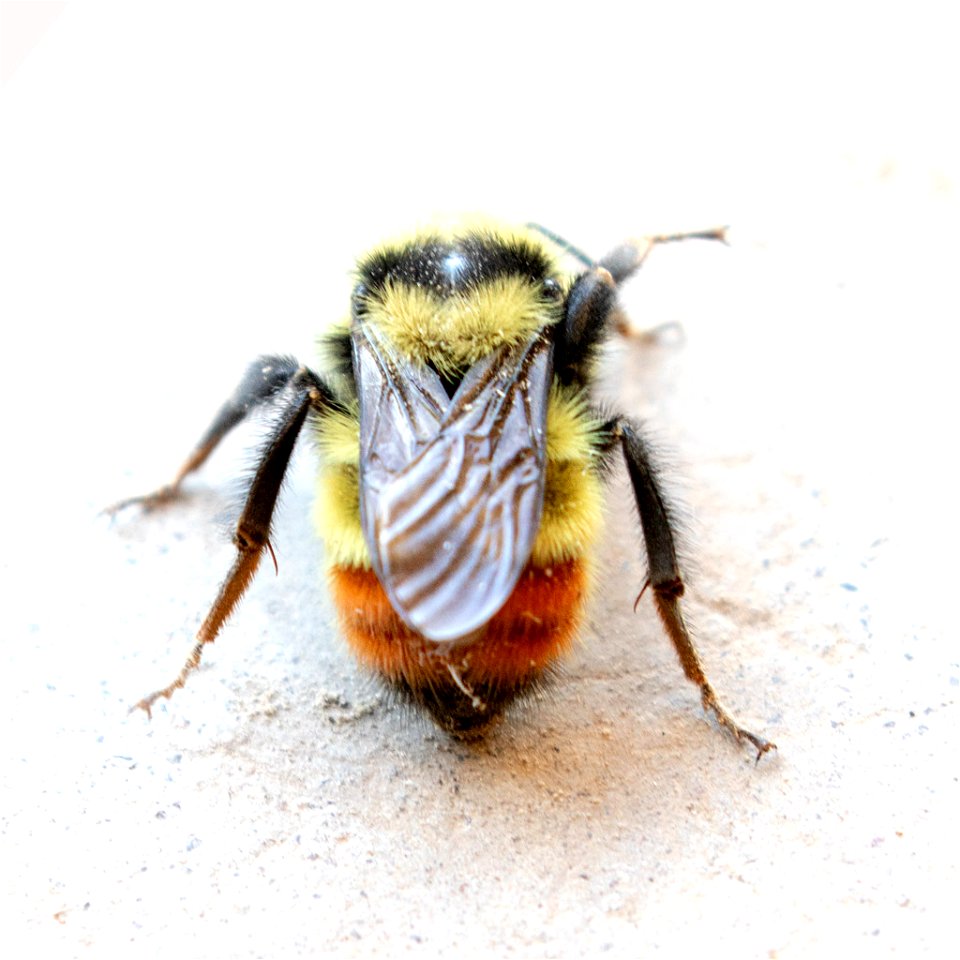
Bombus centralis, commonly the great basin bumble bee, is a bumble bee found in prairies and river valleys. In Canada, they can be found in British Columbia and Alberta, and in the United States they are found in California, Arizona, and New Mexico. They form small underground colonies, often out of abandoned rodent nests. A single queen will start a hive in early May, where she will also overwinter as of September until the next spring. Queens are 13-16mm long, while drones and workers are 9-13mm long, making them one of the smaller bumble bee species. The bees are characterized by black abdomen tips and two orange bands near the terminal end of the bee. These bees do not have any affinity for any particular plant type, but are well known for ‘buzz pollinating’ (also known as sonication). This method vibrates the flowers to release tightly held pollen from the anthers, a method which is used by many native bees, but notably not the honey bee.