
Native Flowers for Pollinators
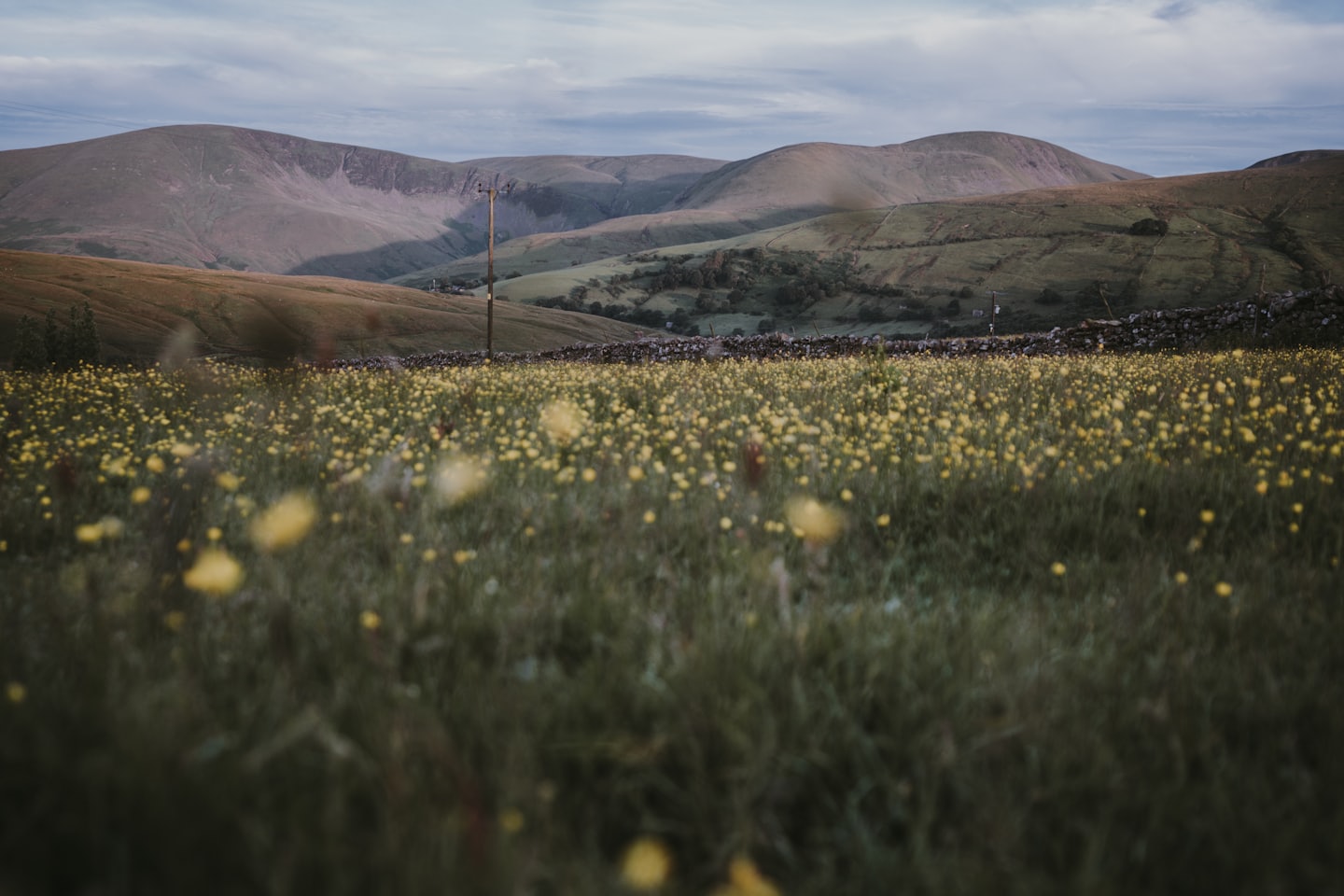
Nurturing Nature with Every Bloom
There is a vital connection between flowers and pollinators, in which both insects and plants rely on one another for their survival and reproduction. Flowering plants provide pollinators with food and shelter, wile pollinators help fertilize flowers by visiting them and make it so that they develop seeds to create the next generation. Both components are needed to sustain a thriving ecosystem, and the decline of one will inevitably result in the decline of the other. It is important to protect our wild bees for the survival of plants, and ultimately the entire ecosystem.
Our Statement on Non-Native Species
Before we delve into the plant section we would like to acknowledge the use of non-native plants in landscaping. Non-native species are those that do not naturally occur in an area without human intervention, but this is not to say they are invasive. Invasive species are those that are destructive to the environment after being introduced, causing harm to native species or leading to their extinction in extreme cases. There are many non-native plants and animals which are well acclimated to our environment without causing any adverse effects, such as many of the vegetables and livestock we grow and raise. For a list of well known invasive species to avoid planting click the link below.
Key Factors to Consider When Designing Your Sustainable Garden
- Variety is crucial in creating a sustainable landscape, the more species of plants you have, the better
- Focus on native species that are known to be rich food sources for native pollinators (see the list below with our top picks of the most beneficial wildflowers for bees)
- Choose plants that will flower at different times in the season. This offset in flowering will assure pollinators have a continuous food supply, regardless of the time of year in which they are active.
Plant List For Species Below
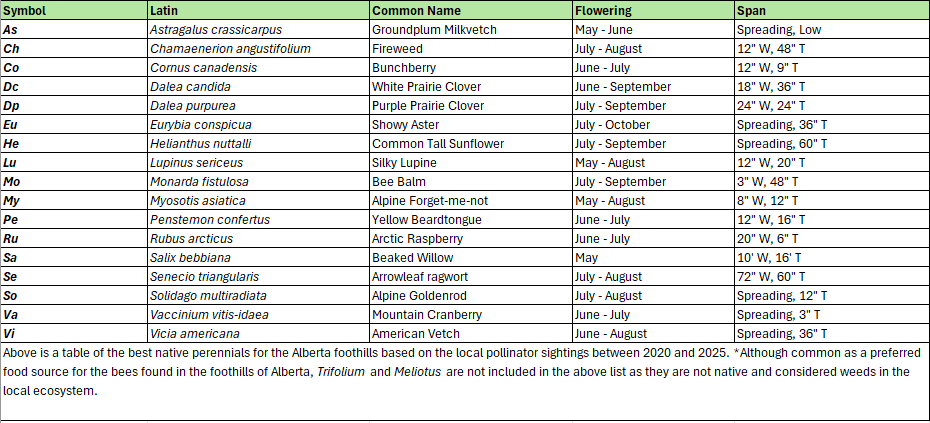
Discover the Wonders of Native Flowers
Below is a hand picked list of native flowering plants, selected based on how sought after they are by native pollinators. We have ensured to pick varieties that flower at different points in the season, have a broad tolerance to different soil and light conditions, and provide a wide range of colors in your garden for you to enjoy from the moment the ground thaws until the very last leaf of fall drops.
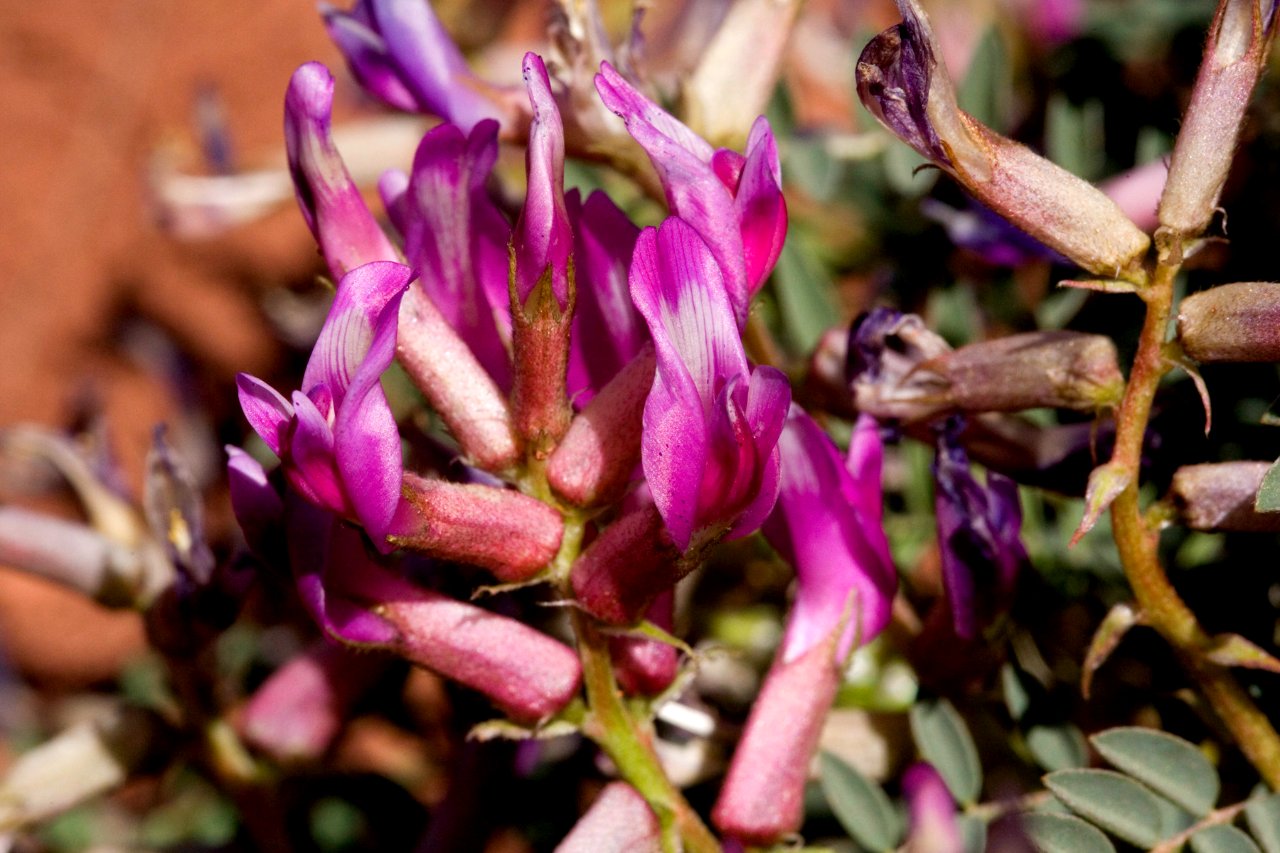
- Flowering: May -June
- Soil: Well drained
- Sun: Full sun
- Span: Low growing spreading groundcover
Astragalus crassicarpus
Groundplum Milkvetch
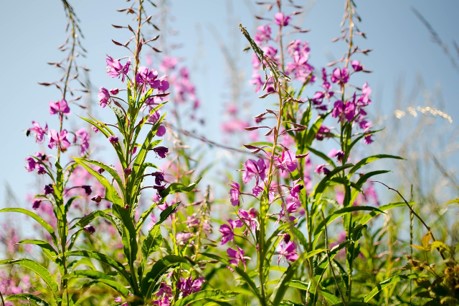
- Flowering: July – August
- Soil: Wide range tolerated
- Sun: Full/Partial
- Span: 4 feet tall, 12 inches wide
Chamaenerion angustifolium
Fireweed
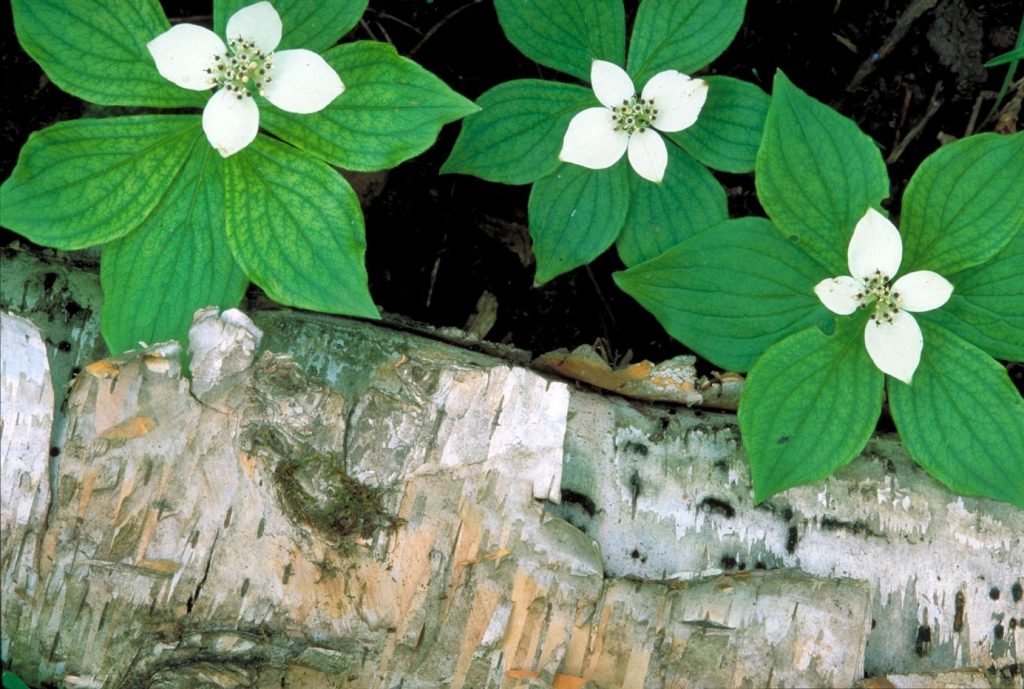
- Flowering: June – July
- Soil: Clay/Loam/Sand, Wide range
- Sun: Full/Partial
- Span: Low growing, 9 inches tall, 1 foot wide
Cornus canadensis
Bunchberry
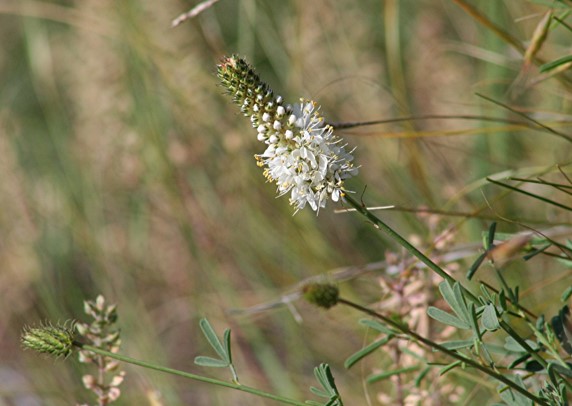
- Flowering: June – September
- Soil: Wide range, drought tolerant
- Sun: Full/Partial
- Span: 3 feet tall,18 inches wide
Dalea candida
White Prairie Clover
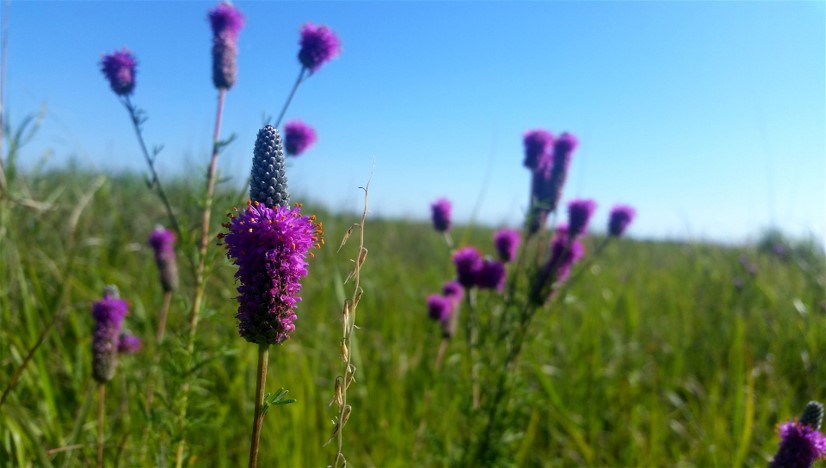
- Flowering: July – September
- Soil: Wide range, drought tolerant
- Sun: Full/Partial
- Span: 2 feet tall, 24 inches wide
Dalea purpurea
Purple Prairie Clover
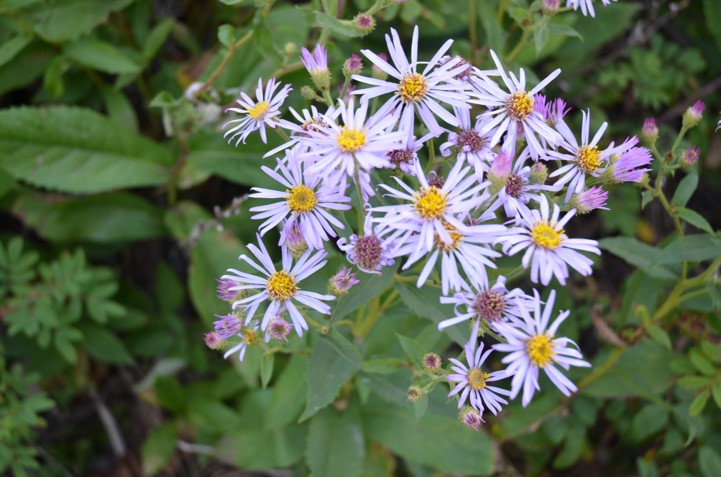
- Flowering: July – October
- Soil: Wide range, drought tolerant
- Sun: Full/Partial
- Span: 36 inches tall, spreading
Eurybia conspicua
Showy Aster
- Flowering: July – September
- Soil: Moist
- Sun: Full
- Span: 60 inches tall, spreading
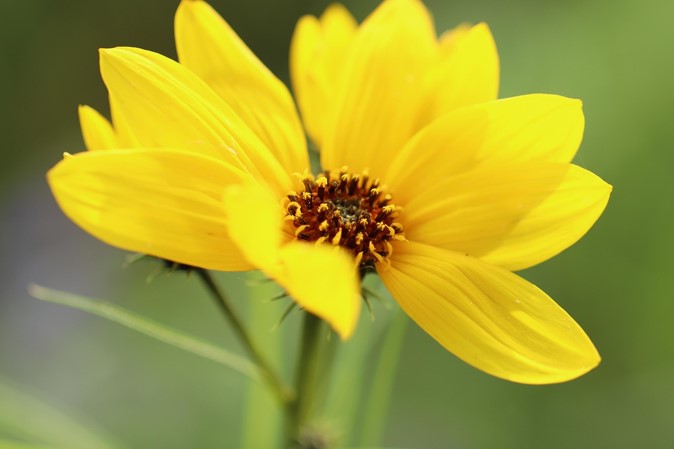
Helianthus nuttalli
Common Tall Sunflower
- Flowering: May – August
- Soil: Moist or well drained
- Sun: Full/Partial
- Span: 20 inches tall, 12 inches wide
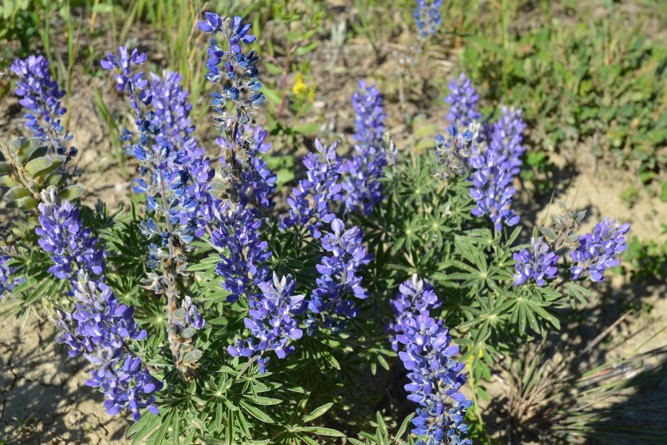
Lupinus sericeus
Silky Lupine
- Flowering: July – September
- Soil: Wide range
- Sun: Full/Partial
- Span: 4 feet tall, 3 inches wide
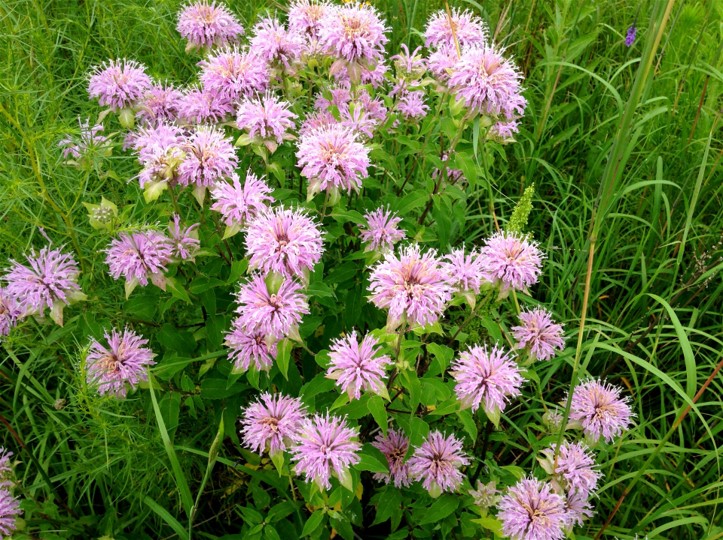
Monarda fistulosa
Bee Balm
- Flowering: May – August
- Soil: Moist – well drained
- Sun: Full
- Span: 12 inches tall, 8 inches wide
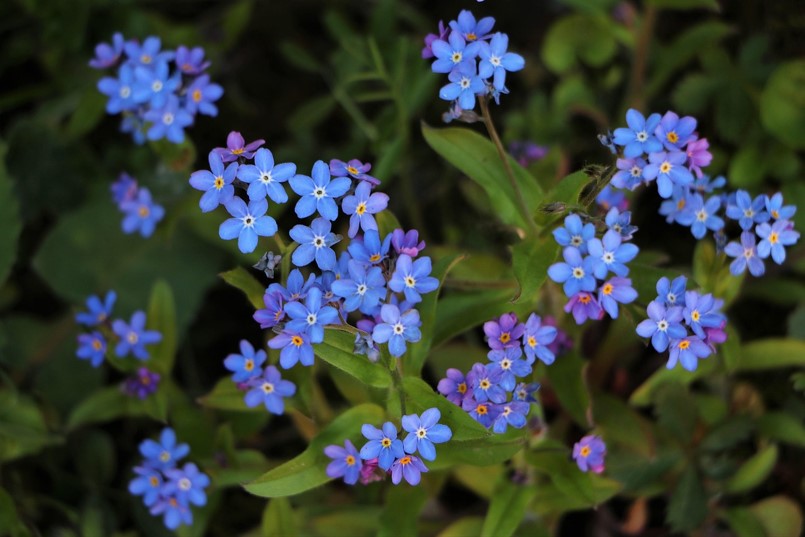
Myosotis asiatica
Alpine Forget-Me-Not
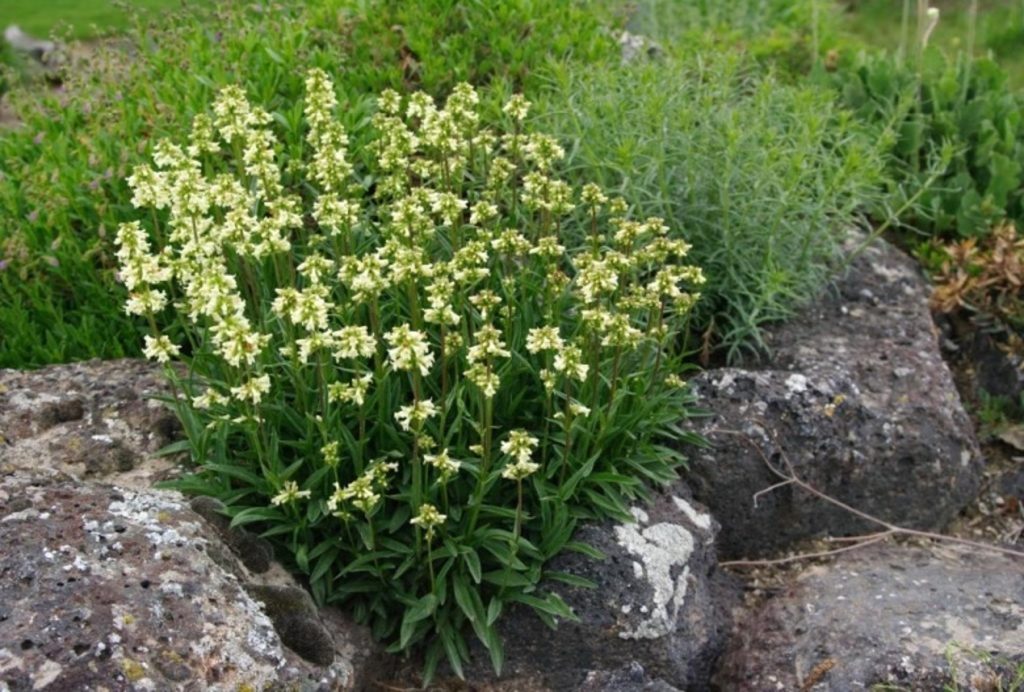
- Flowering: June – July
- Soil: Wide range
- Sun: Full
- Span: 16 inches tall, 12 inches wide
Penstemon confertus
Yellow Beardtongue
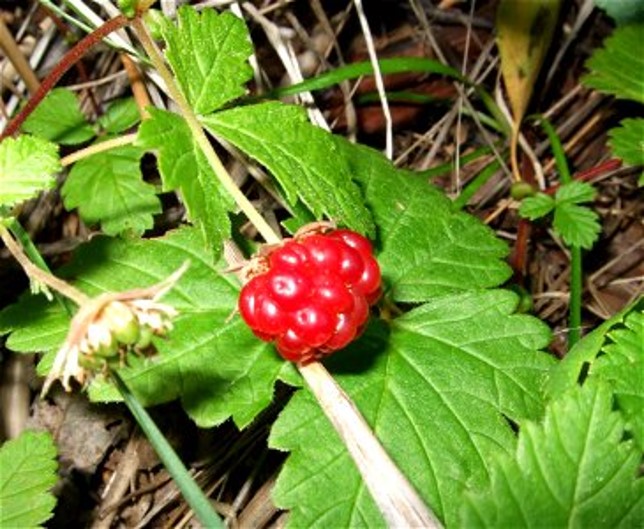
- Flowering: June – July
- Soil: Wide range
- Sun: Shade/Part shade
- Span: 6 inches tall, 20 inches wide, spreading
Rubus arcticus
Arctic Raspberry
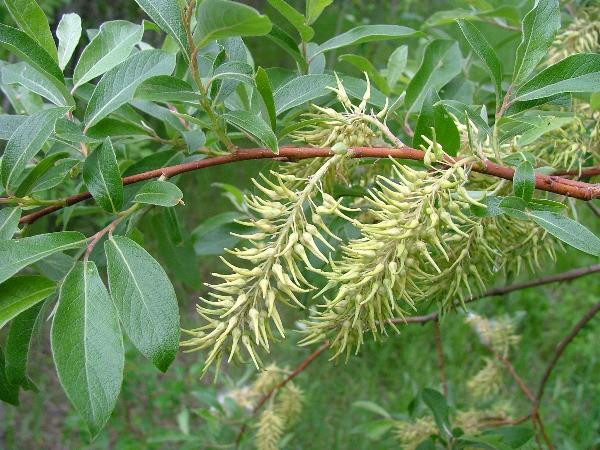
- Flowering: May
- Soil: Wide range, drought tolerant
- Sun: Full/Part shade
- Span: 16 feet tall, 10 feet wide
Salix bebbiana
Beaked Willow
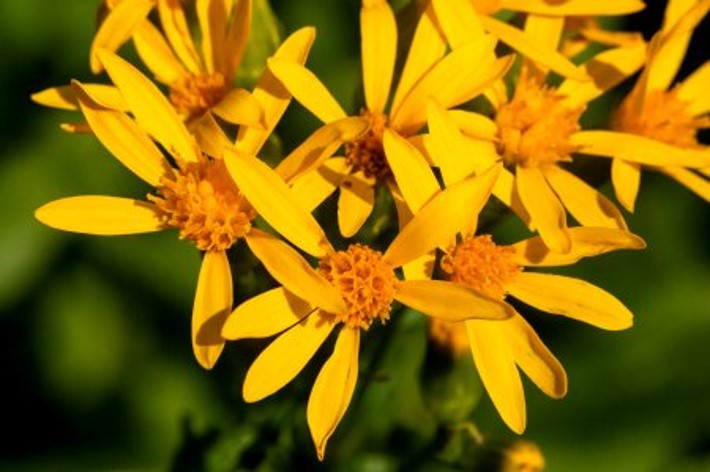
- Flowering: July – August
- Soil: Sand/Clay
- Sun: Full/partial
- Span: 60 inches tall, 72 inches wide
Senecio triangularis
Arrowleaf Ragwort
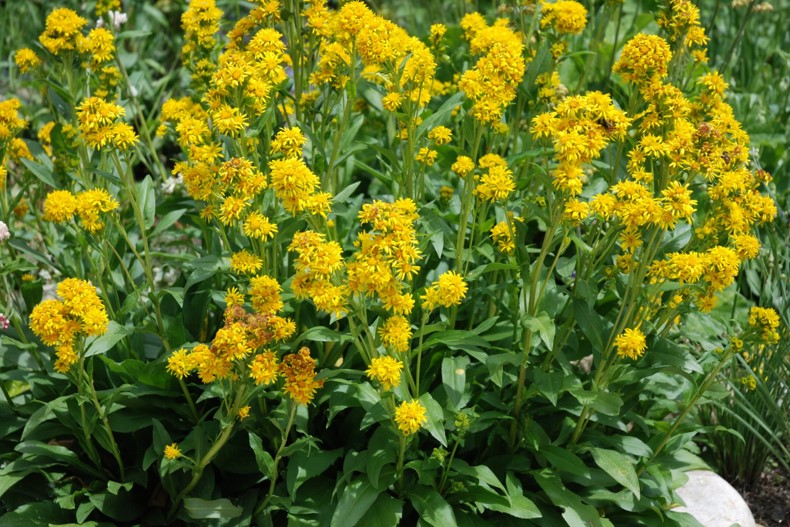
- Flowering: July – August
- Soil: Average – dry
- Sun: Full/Part shade
- Span: 12 inches tall, spreading
Solidago multiradiata
Alpine Goldenrod
- Flowering: June – July
- Soil: Wide range, Acidic
- Sun: Shade tolerant, prefers full sun
- Span: 3 inches tall, matt-forming
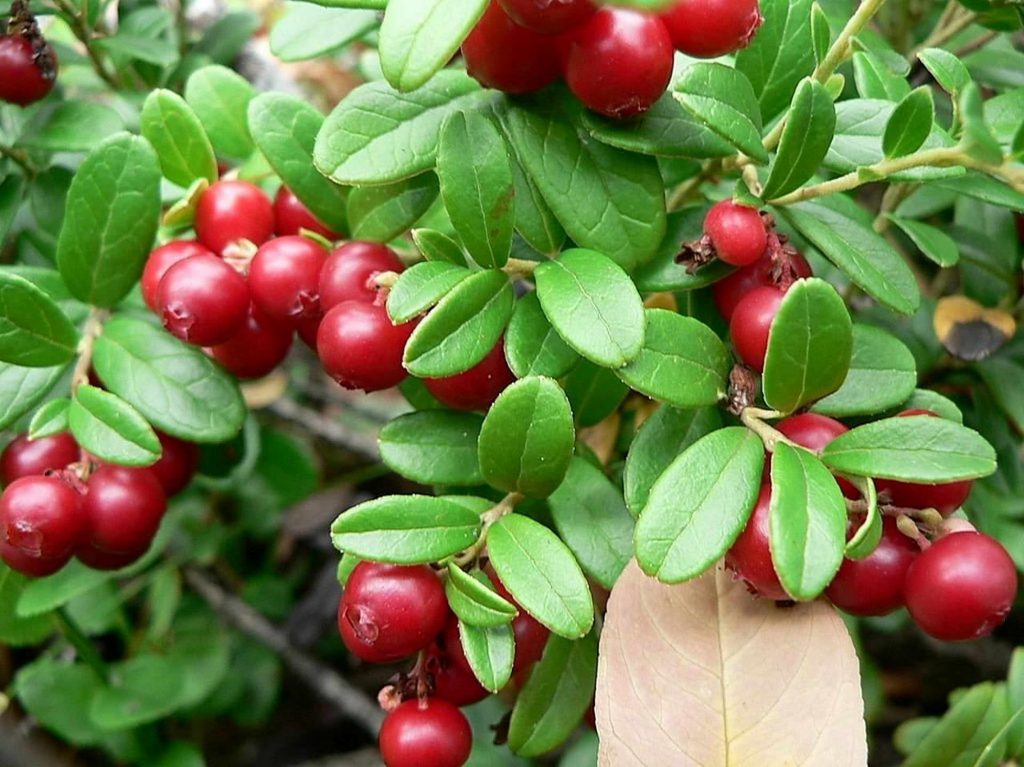
Vaccinium vitis-idaea
Mountain Cranberry
- Flowering: June – August
- Soil: average/dry
- Sun: Full/partial
- Span: 36 inches tall, spreading
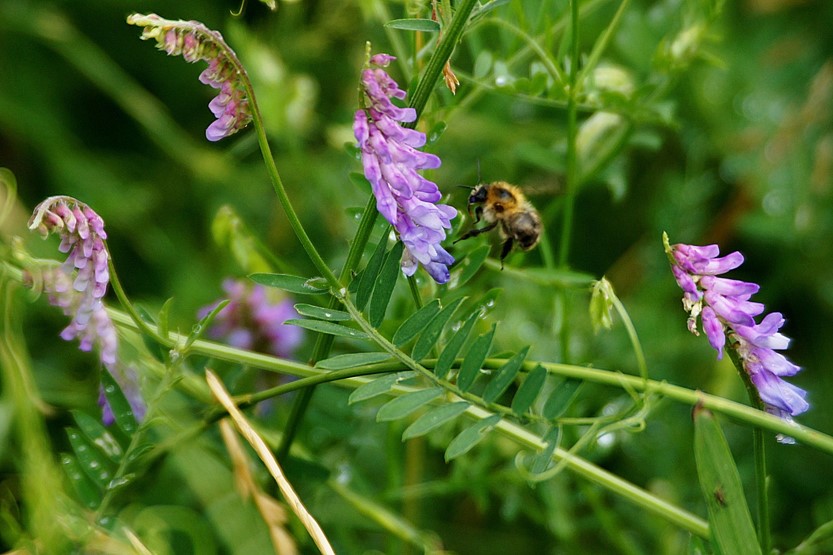
Vicia americana
American Vetch