Bee-Hind Your Garden
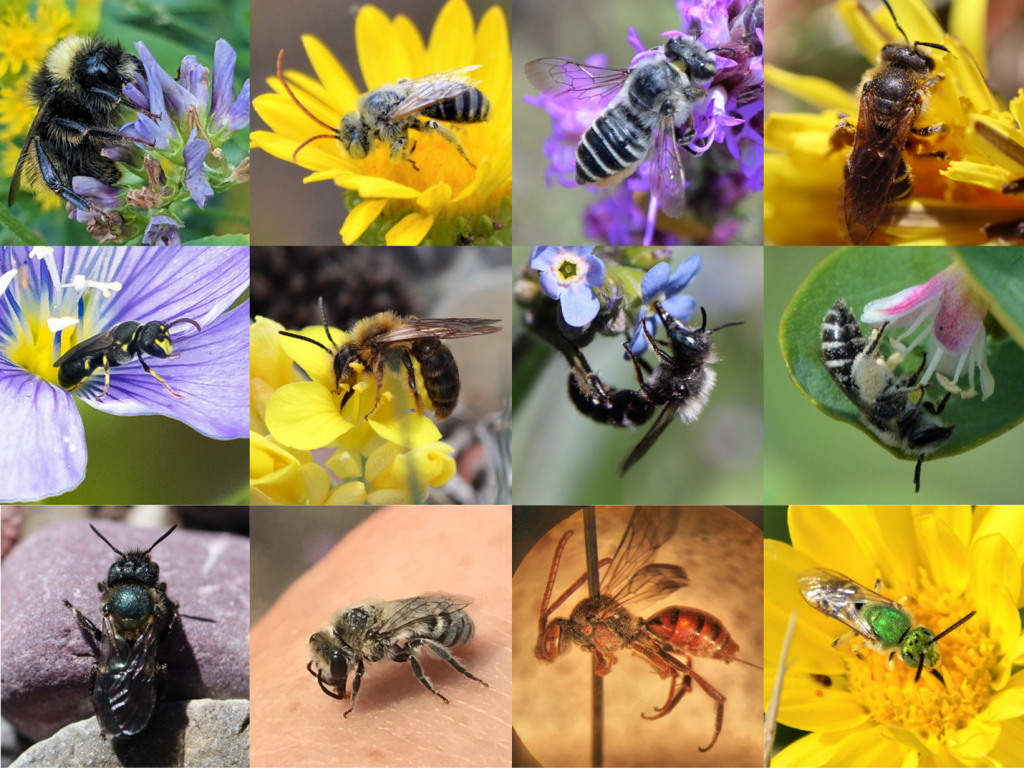
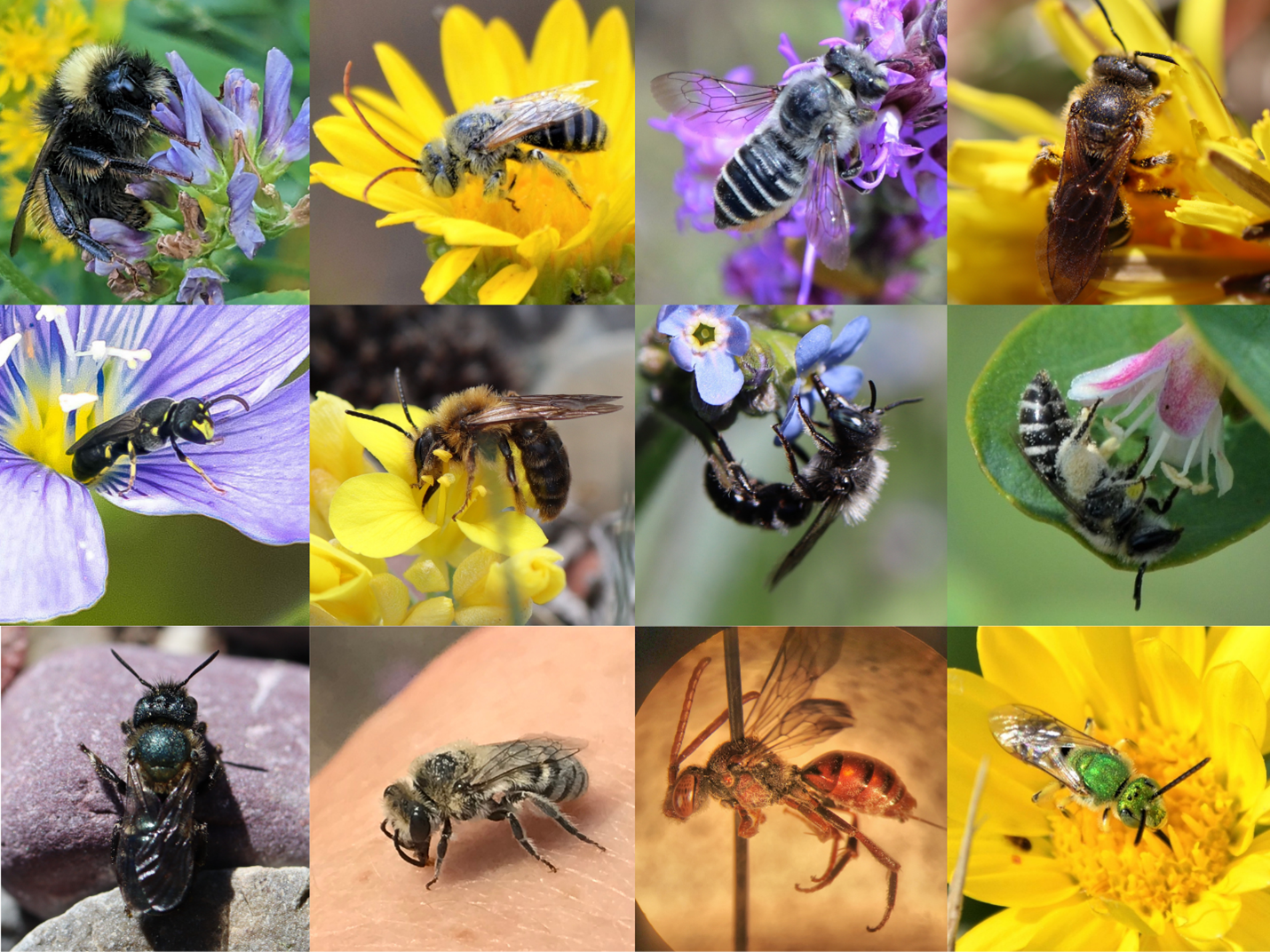
A few of the native bee species found in Alberta, many of which are pictured on wildflowers in the area

(Alberta Native Bee Council, 2025)
Our Mission
Bee-Hind your garden is a student lead project part of the 2025 EVSC 485/ENVS 401 upper years capstone course at the University of Saskatchewan. Students choose an issue on sustainability in an area they are passionate about and design a project to tackle this issue while also contributing to their community. My project focuses on helping the declining native bee population through developing a sustainable garden composed of native wildflowers, in hope of spreading awareness and educating the community on the link between native wildflowers and the health of the wild bee population.
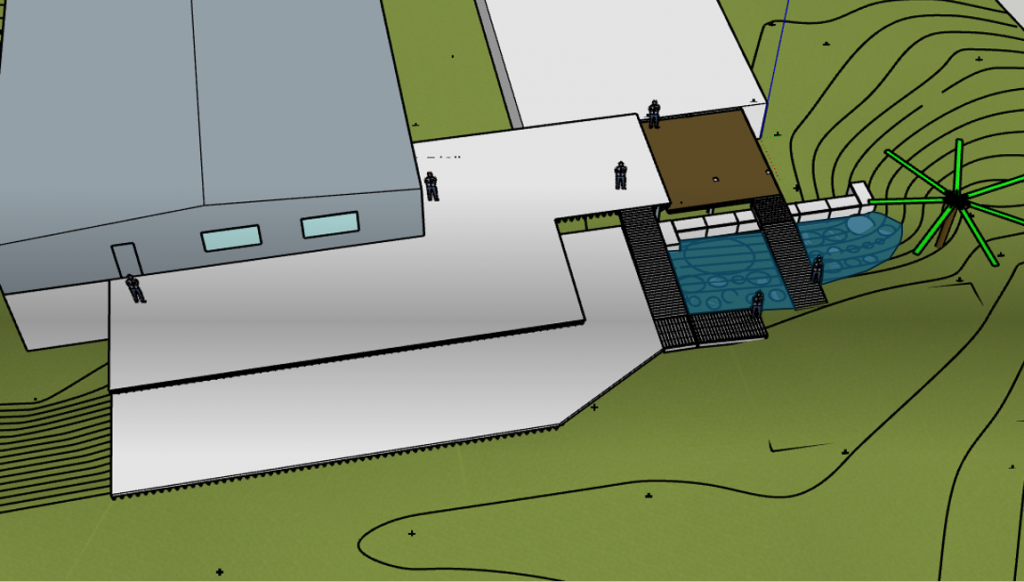
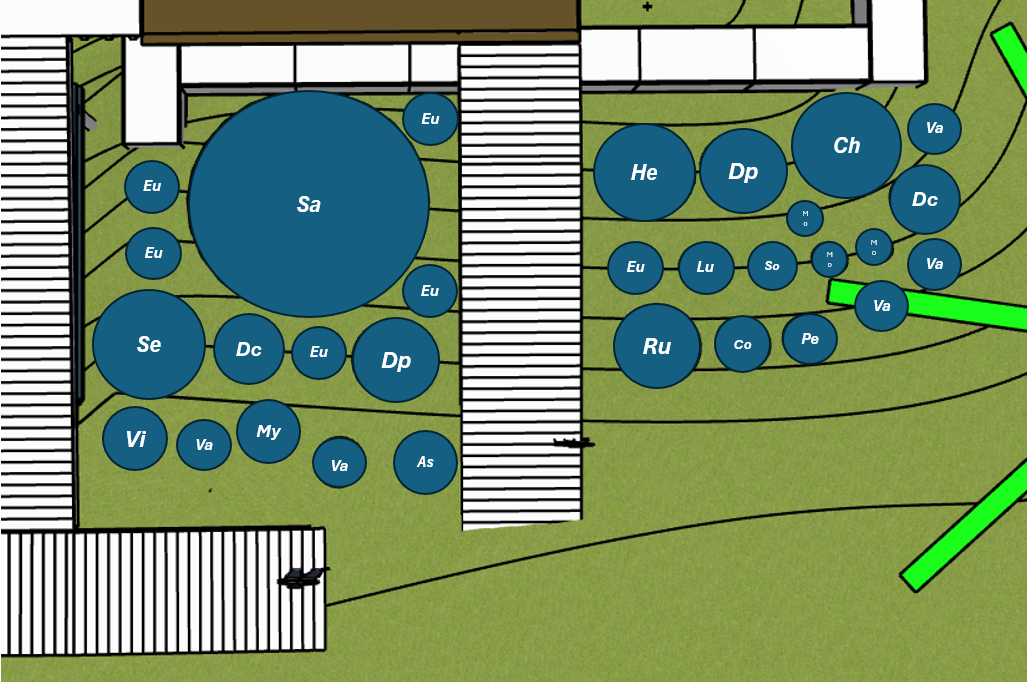
I am partnering with the Fallentimber Meadery in Water Valley (AB), in order to set up a sample garden with billboards and information plaques. The garden will be in an area that is highly visible and often visited by members of my community. The meadery specializes in raising imported honey bees (Apis mellifera), but would like to bring awareness to the decline of the wild bee population and their importance to the ecosystem. Our hope is that our garden bed will inspire visitors of Fallentimber to construct similar native gardens around their homes and businesses to support wild bee species in their area, and that by gaining traction, this community of sustainable gardens will begin to form a pollinator corridor through farmers fields or the larger city of Calgary nearby. Below is an area plan designed in sketchup of where the garden beds will go.
Why it matters
Native bees provide pollinator services that are superior to imported honey bees, which are often used to pollinate the crops we rely on as food sources in the agriculture industry. Wild bees are active in conditions that honey bees tend to avoid, such as colder and cloudier weather. Depending on the year, the short flowering window of crops can align with unfavorable conditions for honey bees, and if they do not have wild bees to pollinate them this could lead to a failed harvest for that production year. Native bees (bumblebees especially) also provide a service known as ‘buzz pollination’, in which they grip the flower and vibrate their wings to collect pollen. Many flower species have pollen that is tightly held and can only be dislodged through this method of pollination. Given the harsh decline of native bees, the services they provide are decreasing as well, and it’s becoming evident in our agricultural fields. If wild bees ease to exist in an area, all the benefits they provide will be terminated, and we will all feel the repercussions in the availability and quality of food on the market.
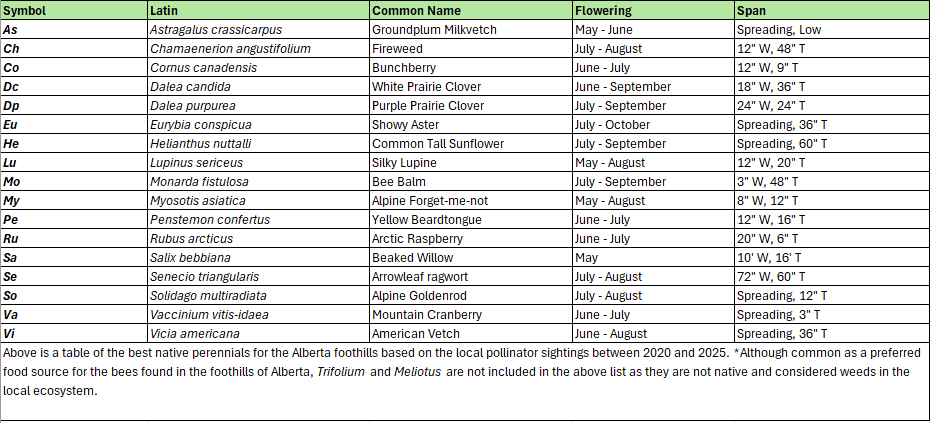
Urbanization and the development of farm land have contributed to major loss in habitat for wild bees. For the survival of insect pollinators, native bees included, we must counteract these measures and begin to incorporate aspects of native habitats in our infrastructure. By creating a garden space that is both educational and aesthetically pleasing, we hope to show that it is possible to achieve this goal through mindful and sustainable gardening practices. Our goal is to inspire others to plant native flower gardens catered to wild pollinators in their area. While having a garden is more beneficial than a manicured lawn, native plants provide added benefits over many cultivated nursery species such as higher quality food sources for native bees. We hope to embrace the beauty of the nature that surrounds us instead of outsourcing non-native species, and highlight how in the past, many imported horticultural crops have become invasive species, greatly harming the ecosystem and economy alike, and displacing native species of plants and animals. Many ornamental plants used in the gardens of the past have rapidly grow out of control and become invasive, and while there are more regulations today than there previously were, there are still many high alert and potentially invasive plants on the market today in Canada. This is why we are creating a garden bed that will leave those who visit it in awe at what can be created using only local species. In addition, we are setting up informative signage that will be displayed by the garden, to provide additional information on the relationship between native bees and wildflowers, their role in the ecosystem, and what others can do to support local bee species themselves. In order to facilitate the creation of similar projects by home and business owners to have a bee sanctuary of their own, we will be including a planting plan, recommended native plant list catered to the bees found in the area, and various landscape elements that can be added to the garden to provide nesting sites and refuge for wild pollinators.
Coexistance between honey bees and wild bees
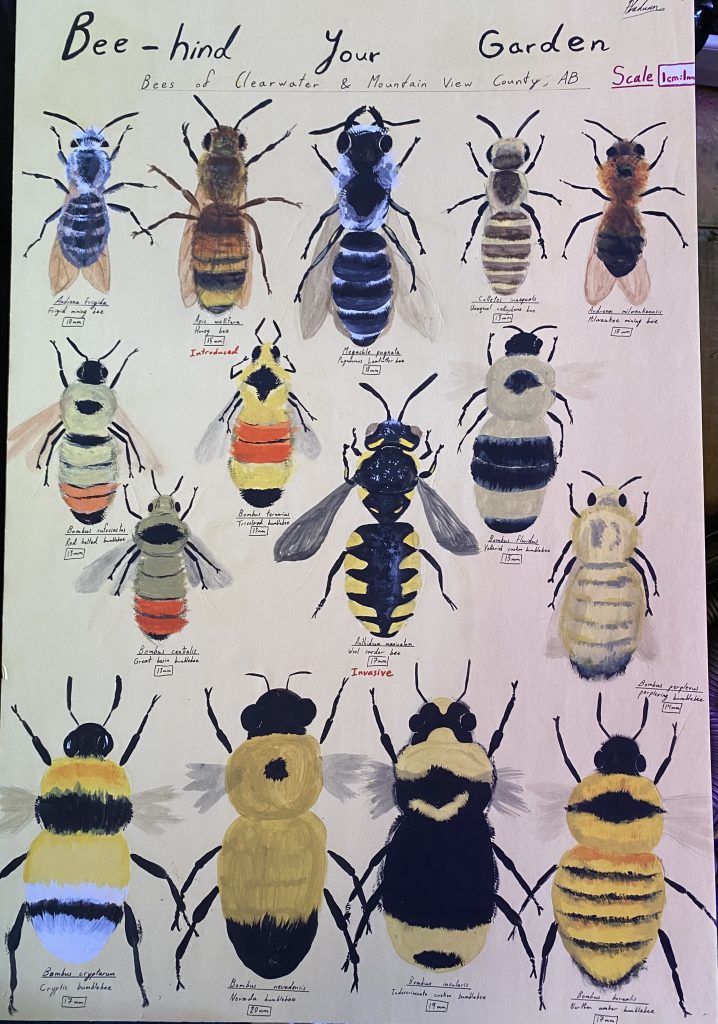
Many people are under the impression that placing honey bee hives in their yards is contributing to saving declining bee population, but this couldn’t be further from the truth. Honey bees are domesticated imported species, and not native to most continents, having been brought over from Europe or new Zealand or Europe to pollinate crops and produce honey. It is the wild bees that are declining in number, which you can view on our Native Bees page. Honey bees often directly compete with native bees for resources and are suspected to be a major factor to their decline. By increasing the domestic honey bee population, native bees are facing more competition and are being displaced from their habitats. Honey bees are often far larger, and bully the smaller wild bees away from flowers, depriving them of food. While the two can coexist if there are enough food sources in the area, raising awareness about how the bees interact is crucial in saving wild bees.
How Will Native Plants in My Yard Help Bees?
- Gardens can provide refuge, nesting sites, and foraging opportunities for insect species.
- Pesticide use, monocropping, and isolation of habitats contributes majorly to pollinator decline, both in number and diversity.
- Less diverse communities of plants and insects can cause community collapse, increased disease, reduced genetic diversity, food insecurity and reduced ecosystem services.
- The spread of invasive species has been correlated to gardens containing non-native, but well adapted species. Almost 60% of Canada’s invasive species started out as ornamental garden plants.
A small overview of how you can help
The increased biodiversity of native plants in a localized area will act as a refuge for many species of insects, which will in turn benefit urban areas through the ecosystem services they provide. Avoiding imported plant species with weedy tendencies is crucial, as there is always a risk that they will escape the yard and become invasive. Instead, try using native plants as a more sustainable option for home landscapes. By planting native, not only is the risk of introduced species becoming invasive eliminated, but wildlife specially adapted to coexist with native plants will also greatly benefit by being provided with food, shelter, and nesting materials. In addition to plant selection, gardeners are advised against any pesticide or herbicide use, and should instead adopt mechanical pest control practices. What this means is removing pest insects and weeds by hand or with garden tools rather than chemical sprays. The sharp decline in the pollinator population is largely attributed to chemical sprays, and they should be avoided at all costs. Please help spread the word to other gardeners, and avoid trading invasive species to reduce their spread.